

Light to hold, heavy with meaning.
Challenge
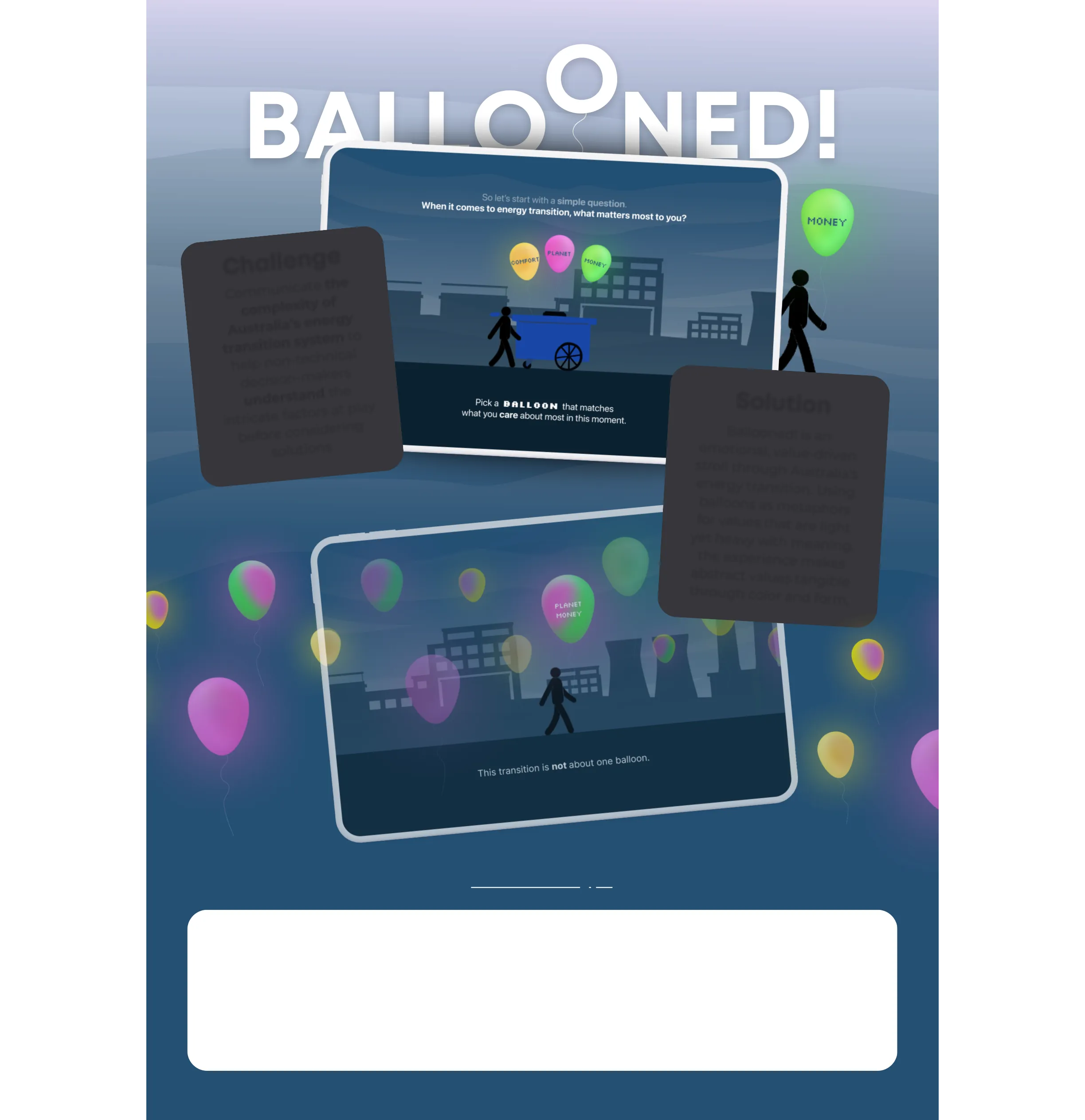
Communicate the complexity of Australia’s energy transition system to help non-technical decision-makers understand the intricate factors at play before considering solutions.
Solution
Ballooned! is an emotional, value-driven stroll through Australia’s energy transition. Using balloons as metaphors for values that are light yet heavy with meaning, the experience makes abstract values tangible through colour and form.
Problem Context
“Why not just build more solar panels?”
“Why don’t we just build more wind farms?”
“Why should I pay more to save the planet?”
“Technology will just solve this later”
“I just want cheaper energy! I don’t care where it comes from”
These sound like simple, harmless questions… but they reveal how challenging it is to communicate the complexity of energy transition.
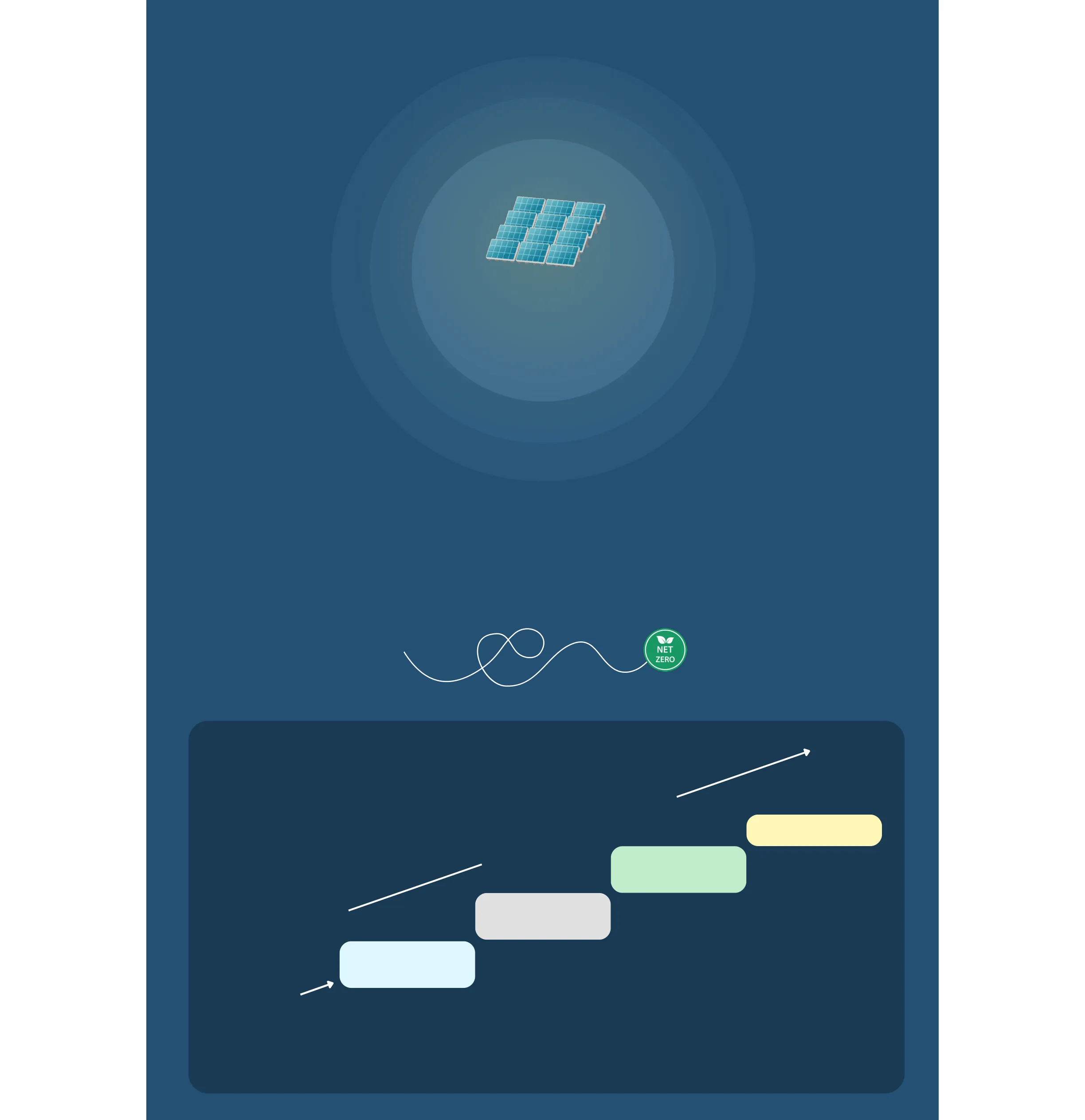
Energy transition is not a linear process

Mapping Australia’s Energy Transition Complexity
(Simplified version)
- Government’s push to renewables
- Renewables (solar and wind)Provide clean energy but no power when wind or sun is unavailable. Therefore, still needs backup power.
- Gas/coal backupMost common backup power but high carbon emissions contradict climate goals.
- Battery backupScalable storage solution but short lifespan, low density, and expensive.
- NuclearReliable, low-carbon baseload but social acceptance, political barriers, and environmental concerns remain unsolved.
Adapted from Frazer-Nash Consultancy client brief presentation (March 2025)
Therefore, the solution of simply building more solar panels overlooks the complexity of Australia’s energy transition.
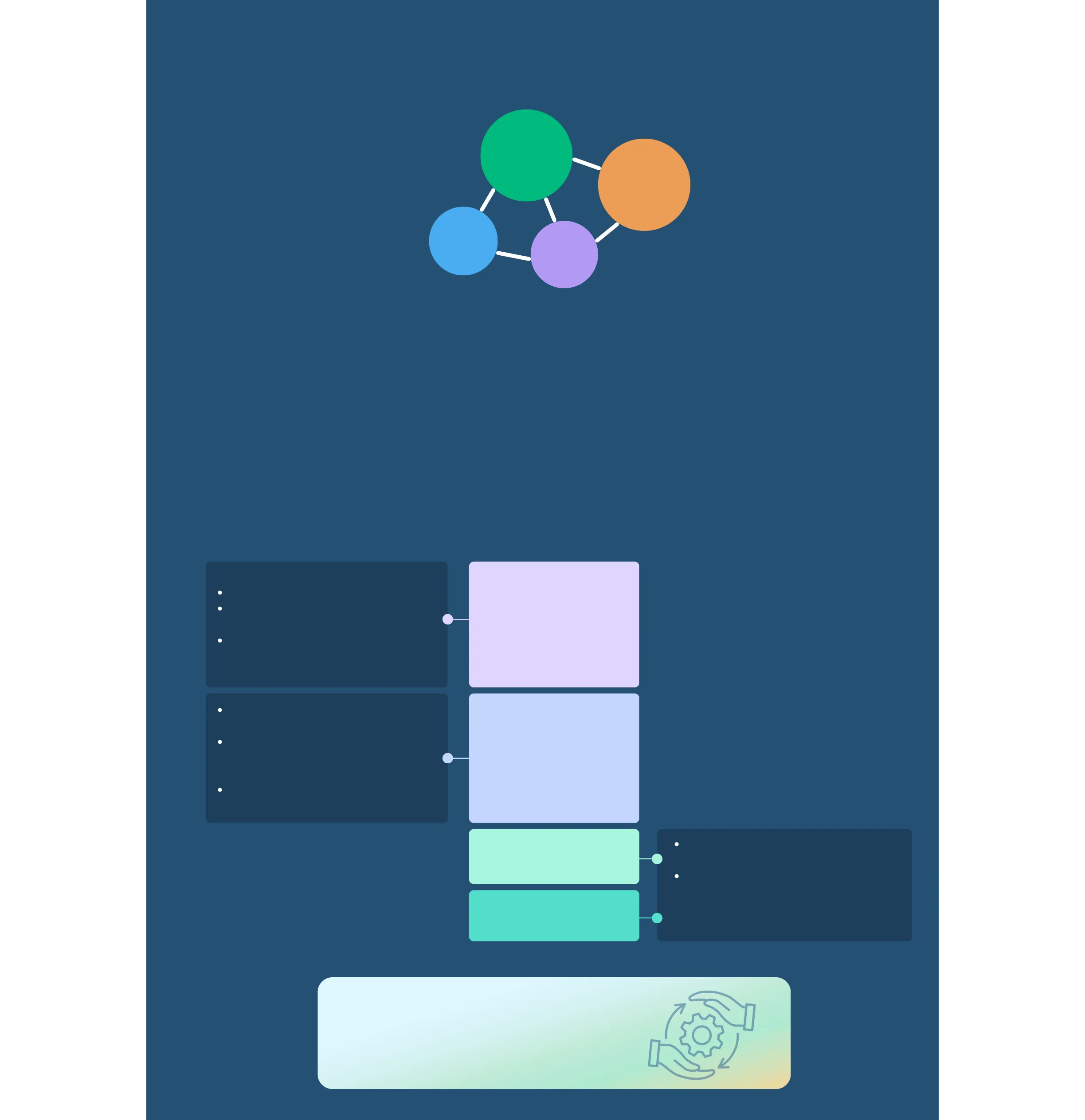
Furthermore, this complexity goes beyond technology. It also encompasses interconnected social, political, and economic factors across multiple stakeholders, from the public to policymakers.
Design Methodology
Our approach followed the double-diamond process, with extended focus on research (Discover and Define) due to the complexity of energy transition, our team’s unfamiliarity with the sector, and the evolving problem definition. Rather than rushing to ideation, we prioritised ‘clearing the fog’ through continuous research and client dialogue.
- Discover
- Mapping technical complexity
- Stakeholder identification and needs analysis
- Conducted interviews with various stakeholders
- Define
- Target audience refinement through iterative client feedback
- Initially focused on policymakers, then expanded to three audiences after client discussions
- Identified overlapping needs between stakeholders
- Develop
- Iterative ideation and concept testing
- Generated multiple solution concepts with continuous stakeholder validation throughout the design process
- Deliver
Working with a real-world client taught us that problem definitions in complex domains evolve collaboratively, requiring ongoing dialogue to uncover root issues as understanding deepens on both sides.
Research and Findings
We employed an iterative research approach, alternating between primary and secondary methods as insights from each informed our next research direction.
Primary research
- In-person interviews with peers and professionals
- Ongoing consultations with client regarding the problem and expected outcome
Secondary research
- Academic literature review to map technical and systemic complexities
- Exploring online forums and public submissions
- Analysing energy policy documents and consultation papers
- Watching energy-related parliamentary debates
Findings
What started as a straightforward brief, help explain energy complexity, quickly unravelled into something much deeper…

Our client had expressed their challenge clearly: “All we know how to make are thick reports that people don’t want to read.”
They challenged us repeatedly to “Create something that makes your mom able to understand Australia’s energy transition complexity”
With this in mind, we initially envisioned an interactive technical dashboard that could make complex energy trade-offs accessible and engaging.
-
Stage 1 · Technical Focus
“Initially, we approached this as a technical communication problem: how to explain complex energy trade-offs to different audiences.”
We attempted to map out the trade-offs and technical complexity of each technology (gas, coal, renewables, and nuclear) through secondary research. However, we realised we needed to test a fundamental assumption:
Was the understanding barrier actually about technical complexity?
This prompted us to gather primary stakeholder perspectives. When we asked an energy company representative what makes it hard for people to engage with the energy transition, their response was revealing:
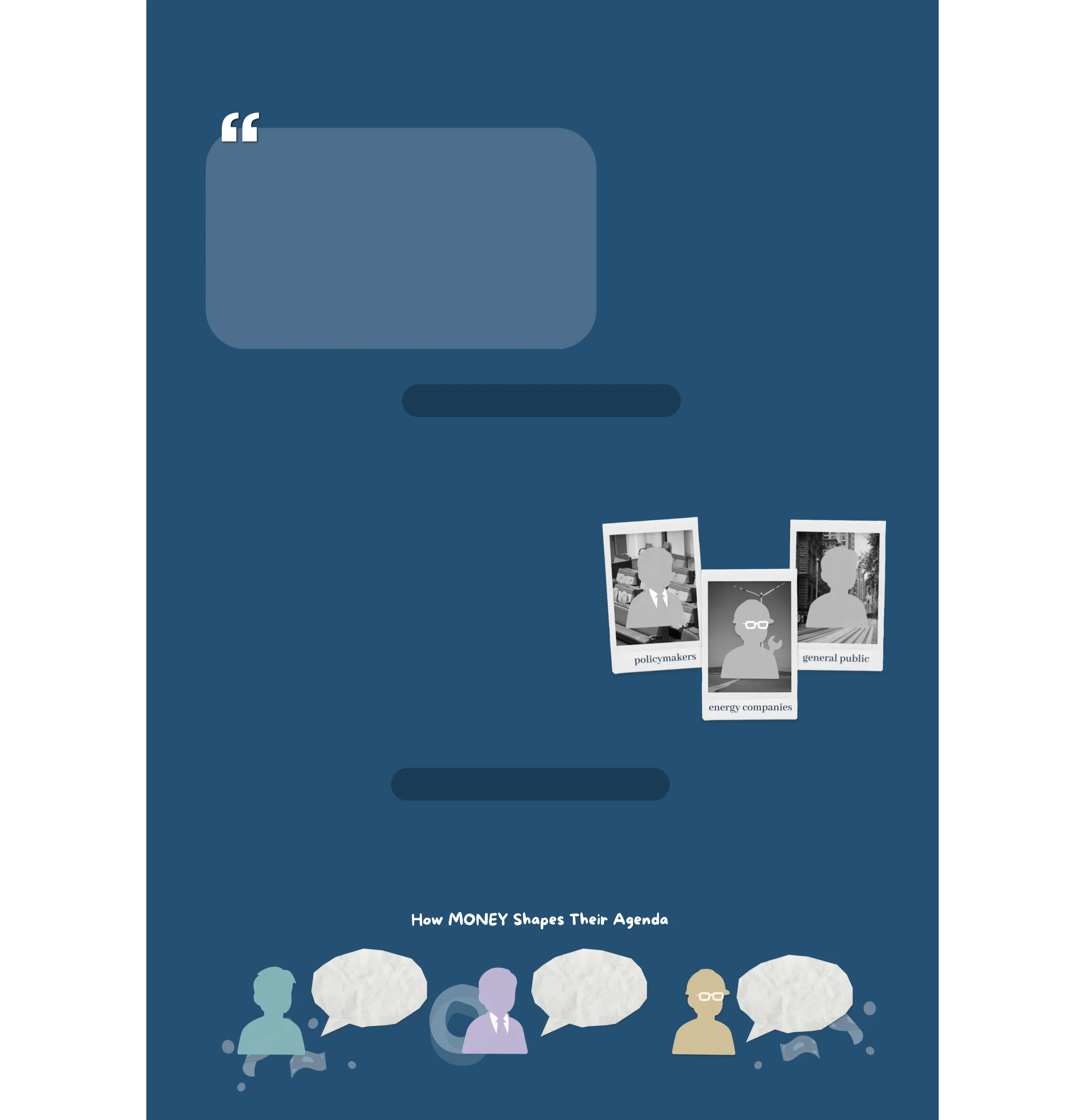
“If you look at solar panels… the main reason why people buy solar is to save money. Only a small percentage of the population buy it for the energy transition drivers… power prices have been going up… so that must be because of all this solar and wind stuff right? We didn’t have solar and wind before and the grid was stable and prices were lower… so it must be the greenies causing the challenges.” Energy Company representative
This revealed the issue was not simply about making technical trade-offs clearer. The reality was that people were actively filtering information through existing beliefs and personal motivations.
-
Stage 2 · Stakeholder Analysis
“Research revealed the problem was systemic, involving three key stakeholders with different but interconnected needs.”
If people were filtering information through personal motivations, we needed to understand what those motivations actually were.
This realisation shifted our focus from what people needed to understand to why they were not willing to engage in the first place.
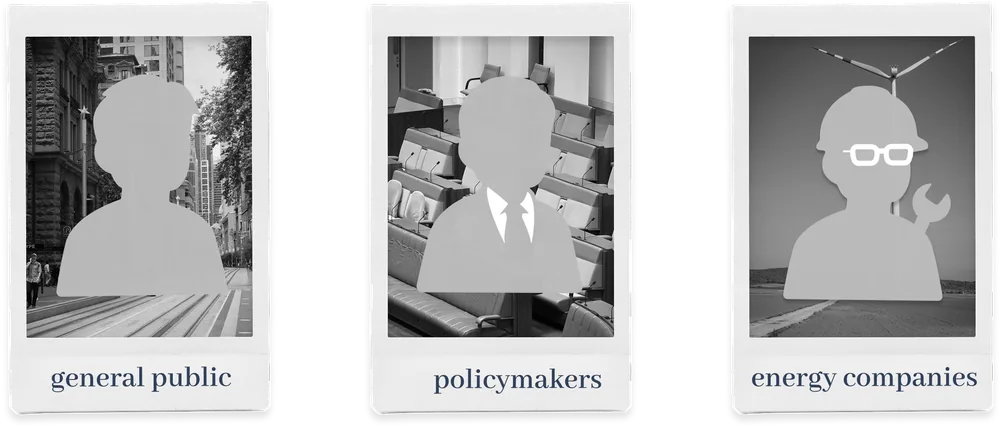
We expanded our research from a narrow focus on a particular target audience to include policymakers, energy companies, and the public, recognising their interconnected roles in the energy system.
-
Stage 3 · Root Cause Discovery
“Deeper investigation uncovered that beneath surface concerns lay a deeper fundamental issue.”
Our stakeholder analysis initially revealed that money was the common thread across all groups.
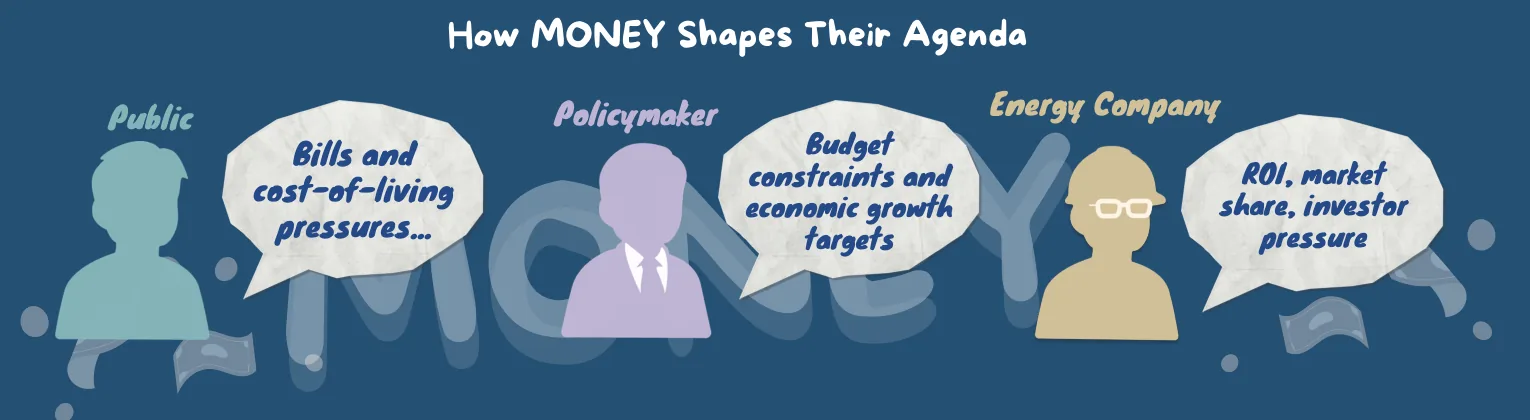
But as we dug deeper, we realised people were not just talking about money. They were talking about what they valued most:
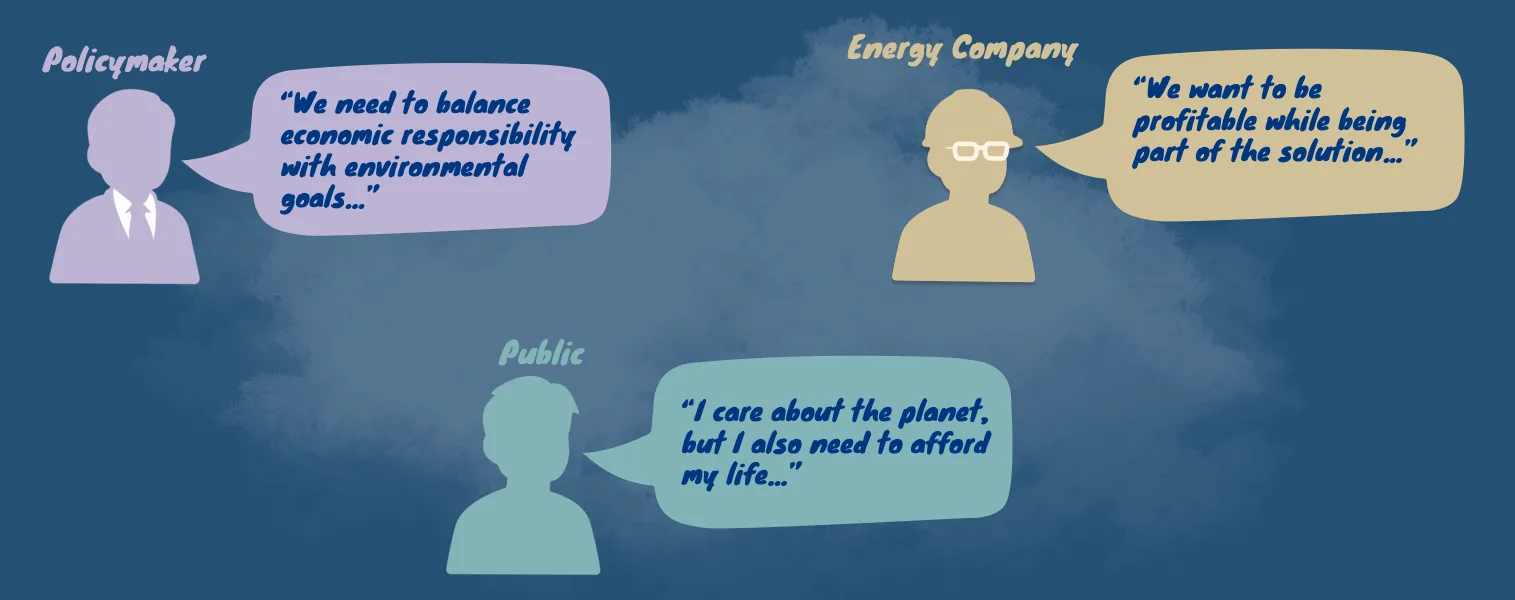
The real barrier was not complexity itself, but that everyone had different core values driving their energy transition priorities. People resisted engaging with information that did not align with, or threatened, their primary value system.
Reframed Problem Brief
How might we address the value tensions that hold people back from engaging with Australia’s energy transition, so that people feel ready and willing to explore its technical and systemic complexity together?
Iterations
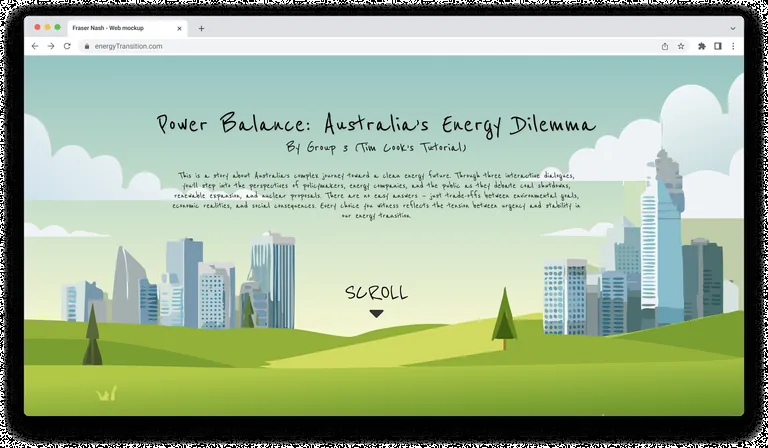
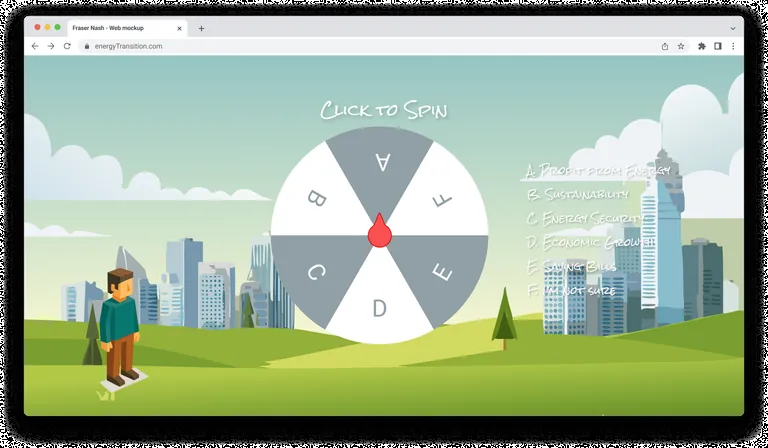
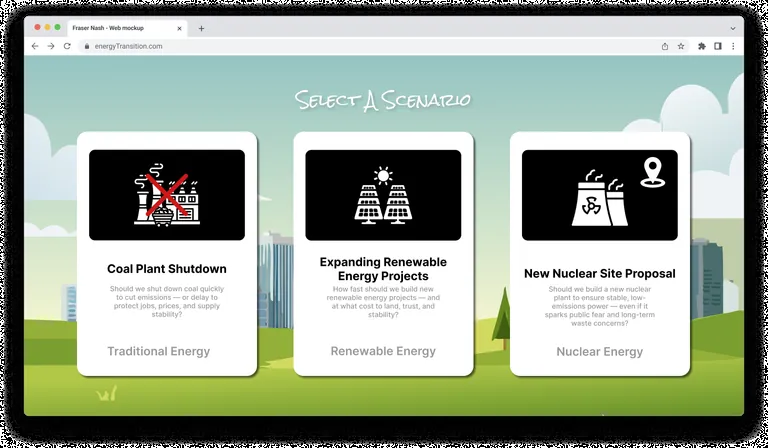
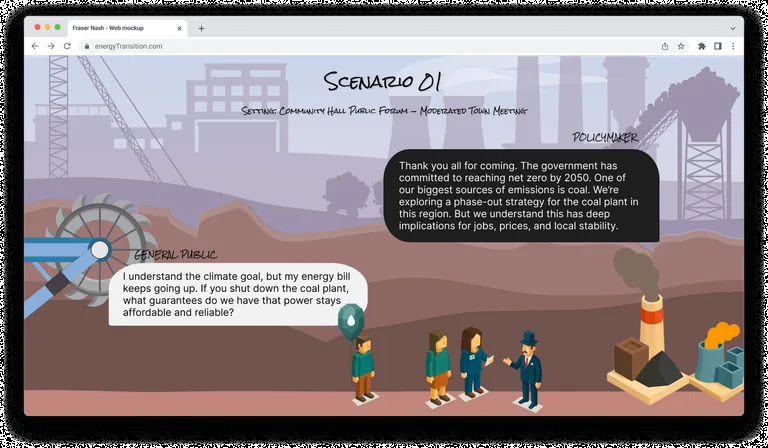
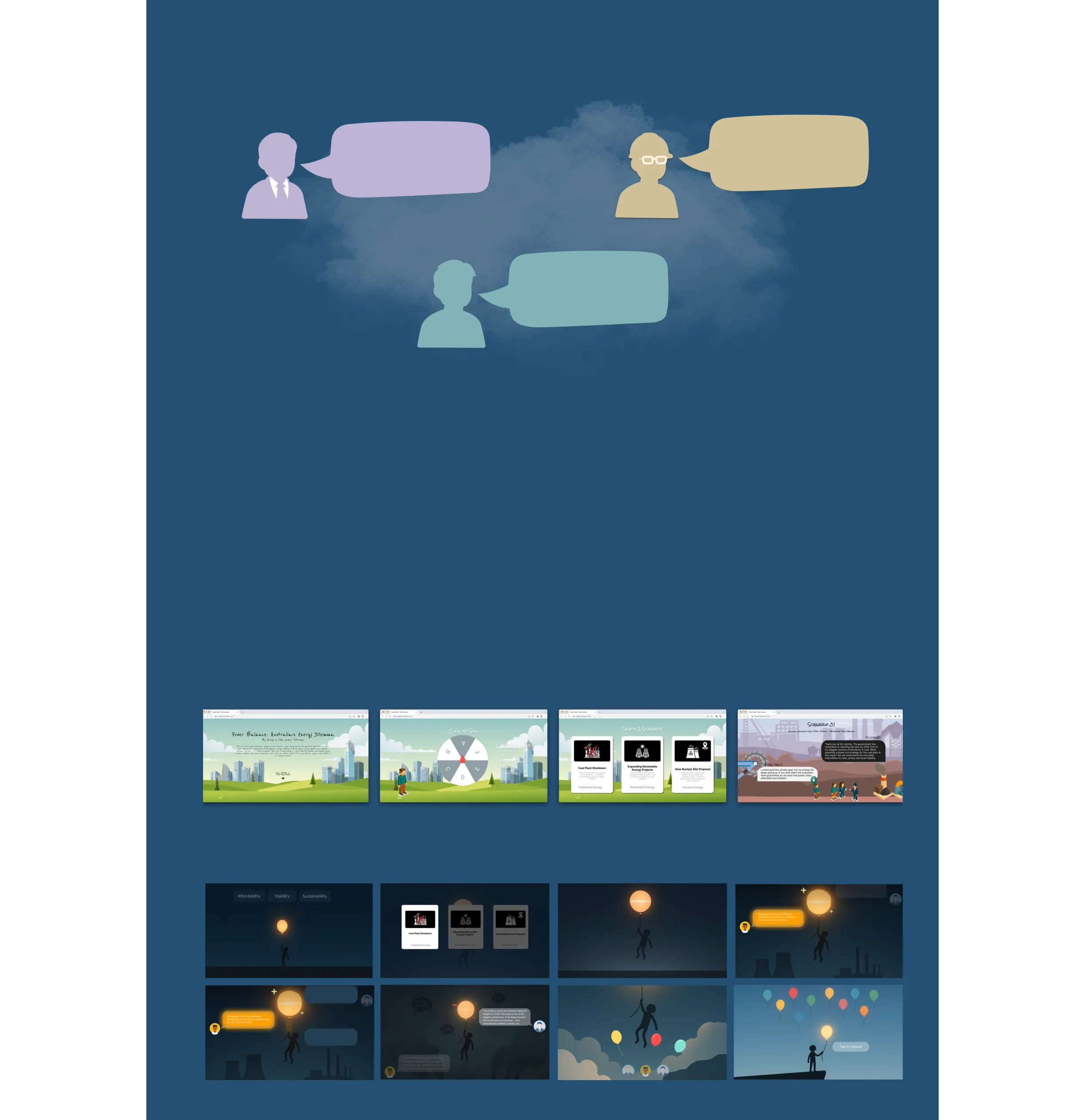
Tools: Figma, DALL·E (AI for character generation)
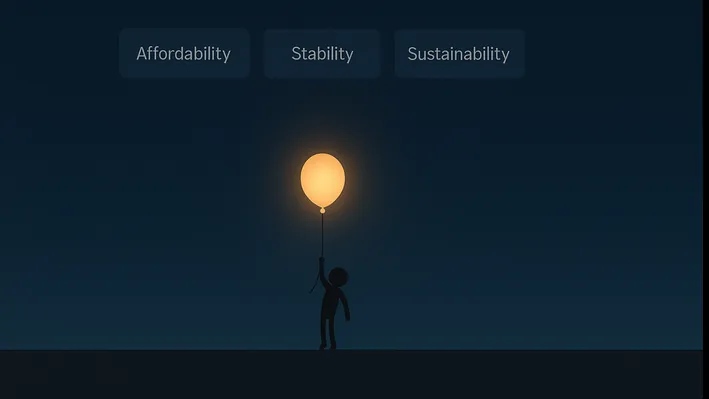
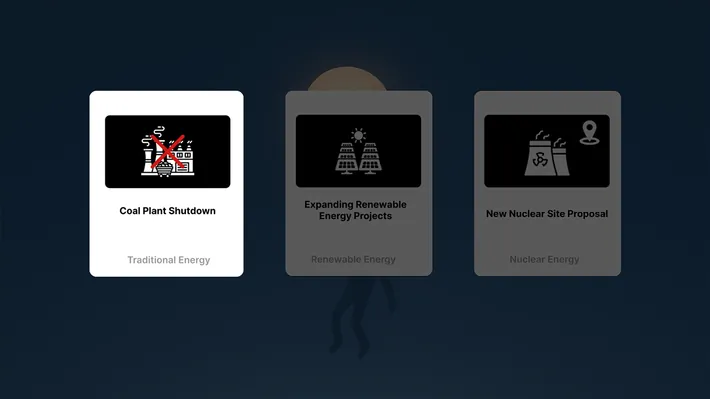
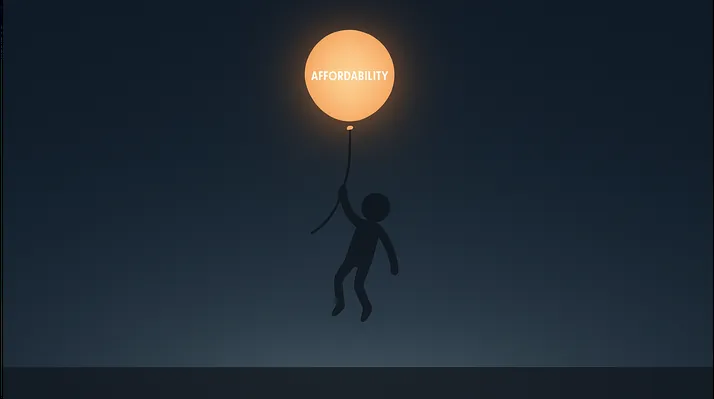
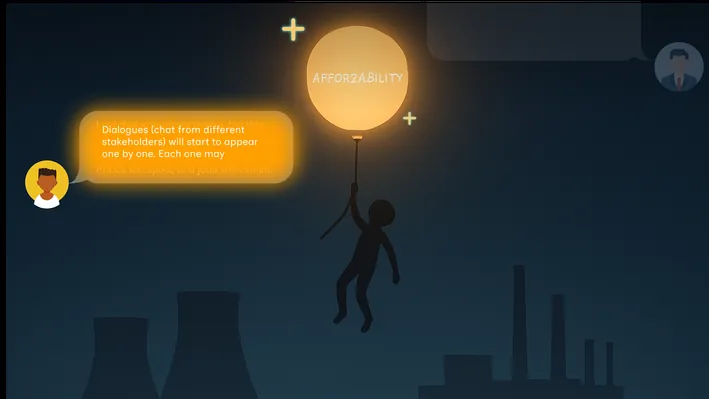
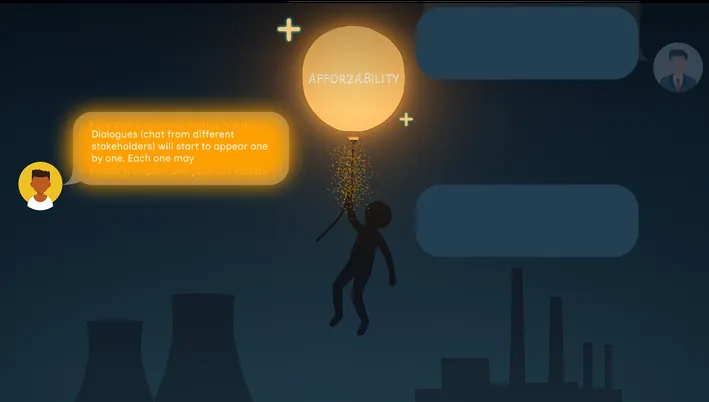
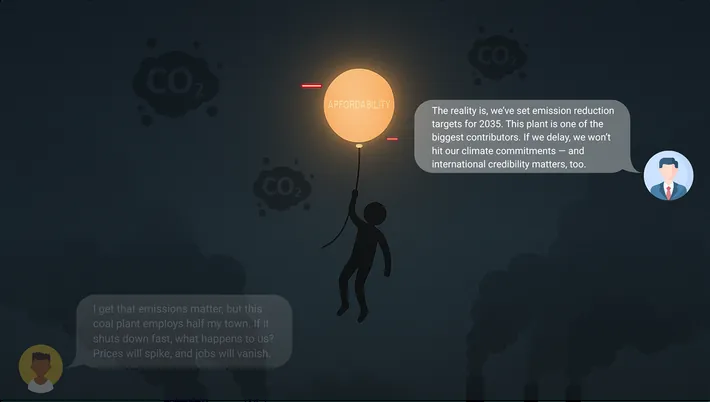
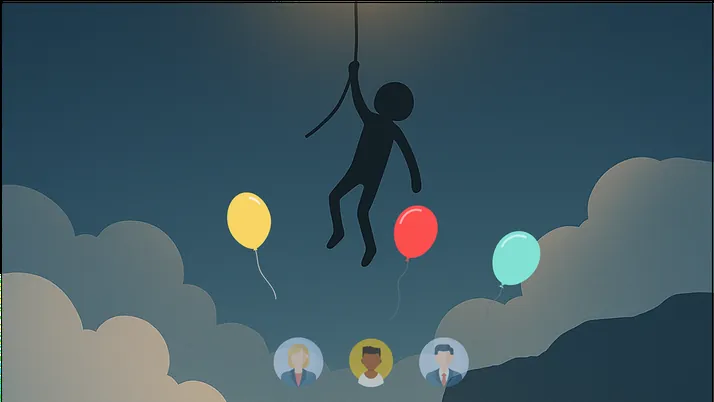

Tools: Canva, Figma, DALL·E (AI for image generation)
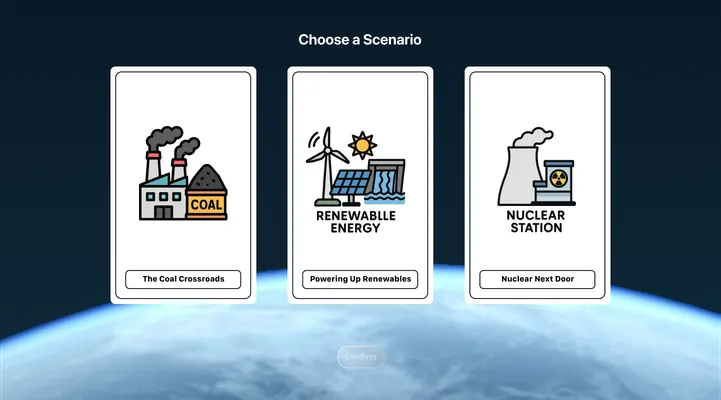
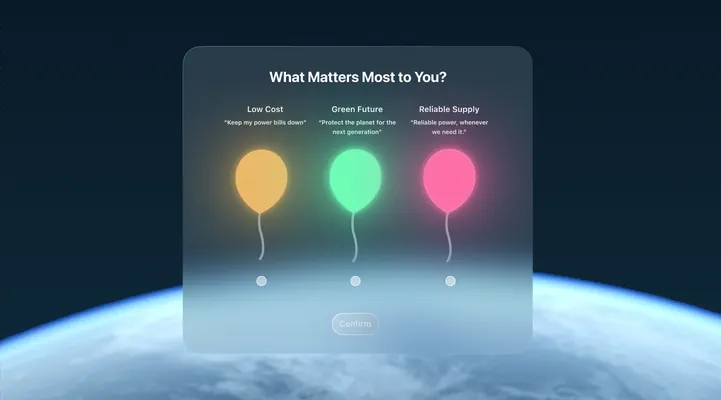
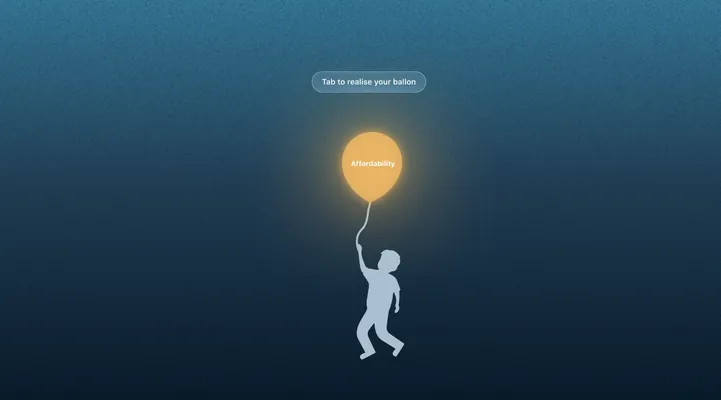

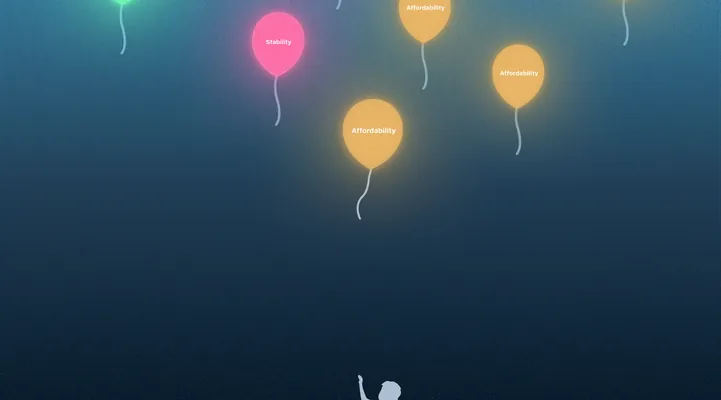
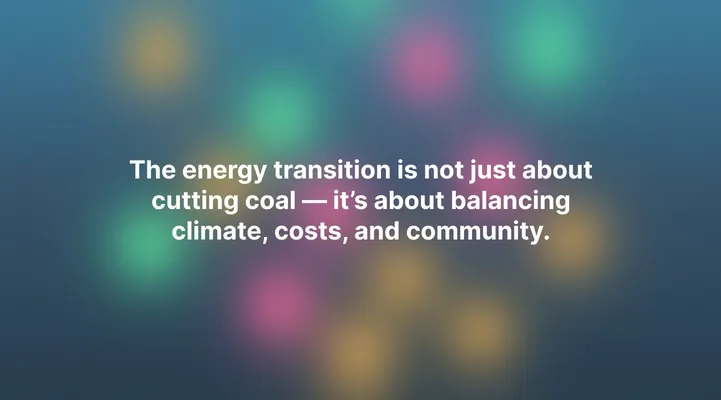
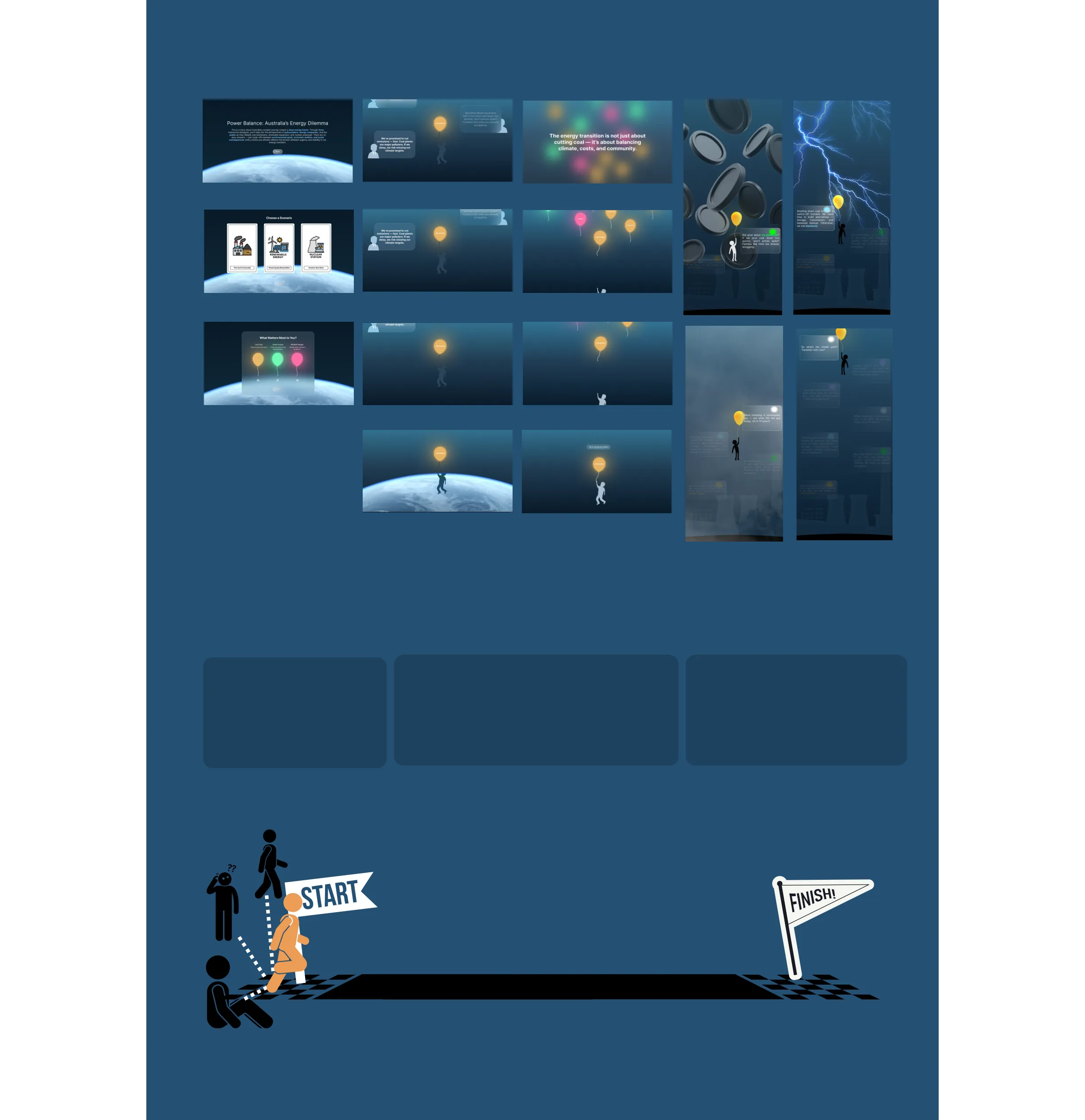
Tools: Canva, Figma


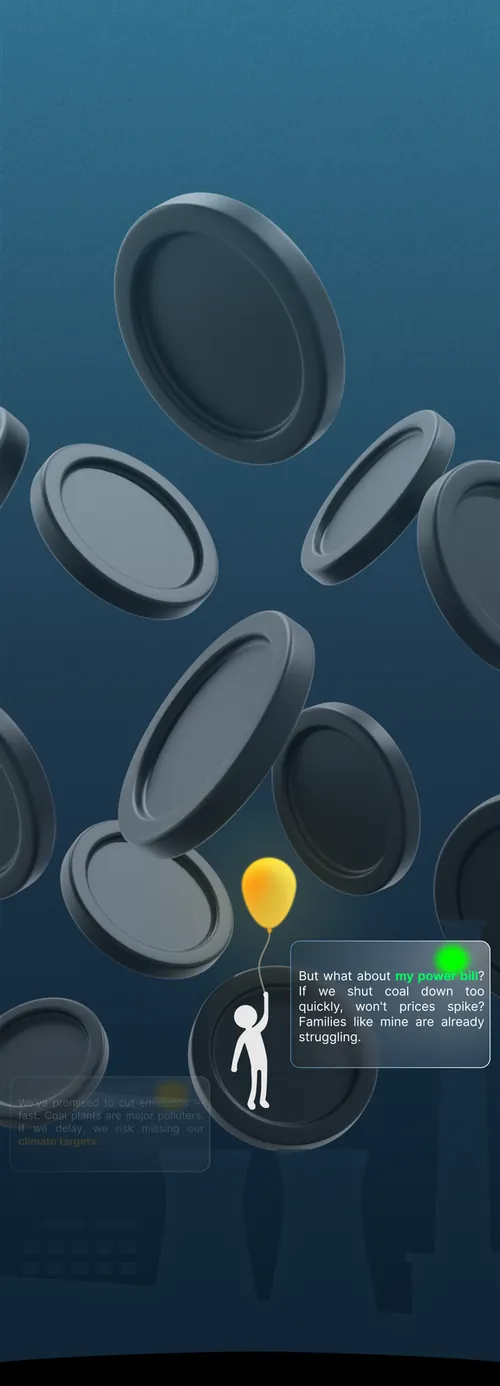
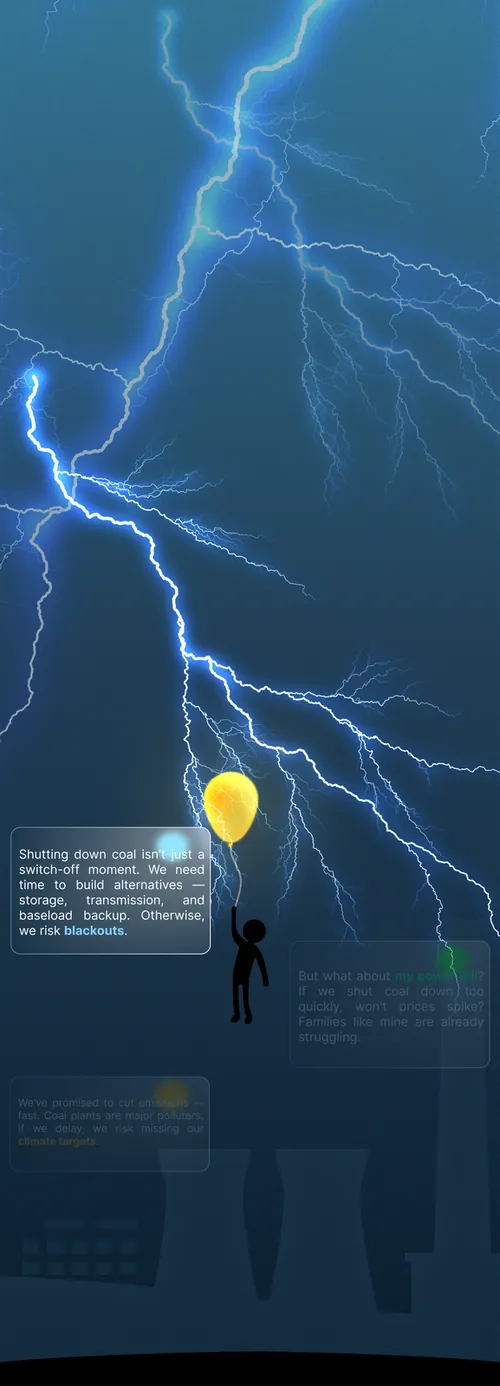

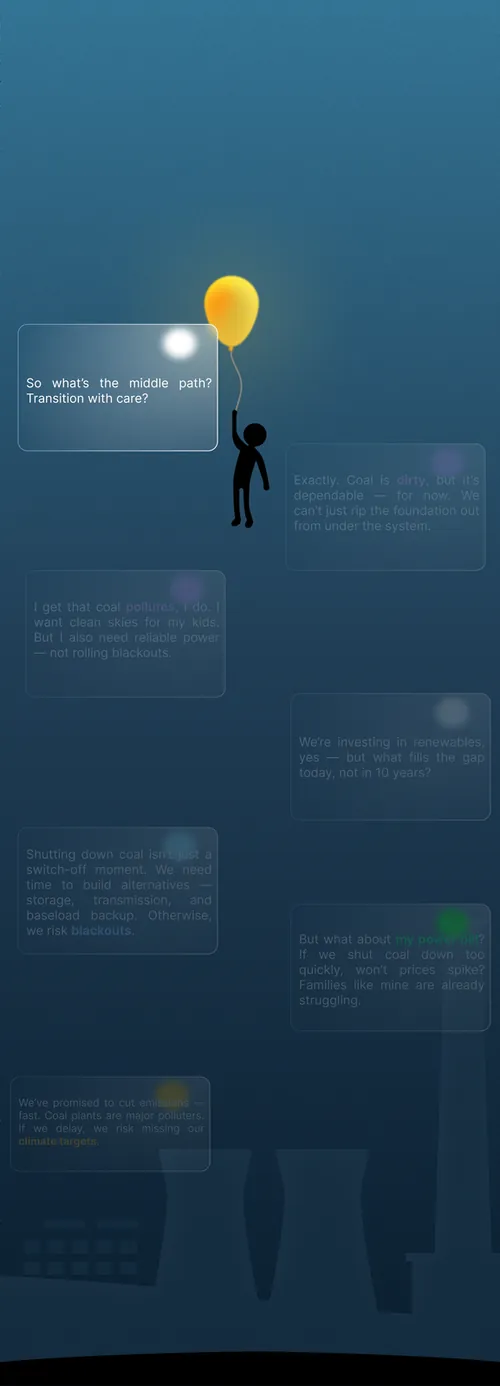
The third iteration was a humbling experience that exposed the challenge of translating research insights into effective design. User testing revealed that our core message was getting lost, uncovering several fundamental problems:
Inauthentic “voice”
The chat-based format for each stakeholder’s voice felt artificial and did not genuinely connect with users.
Ineffective scenario-based approach
The scenario-based approach reinforced existing biases rather than breaking them down. Users either picked familiar technologies or felt overwhelmed by unfamiliar ones.
Value choice lost meaning
The balloon values users picked lost their essence because the focus shifted to technology-based scenarios.
Our research clearly showed the problem, yet we were still trying to solve both the values barrier and technical complexity at once. We missed the crucial need that had to be prioritised.
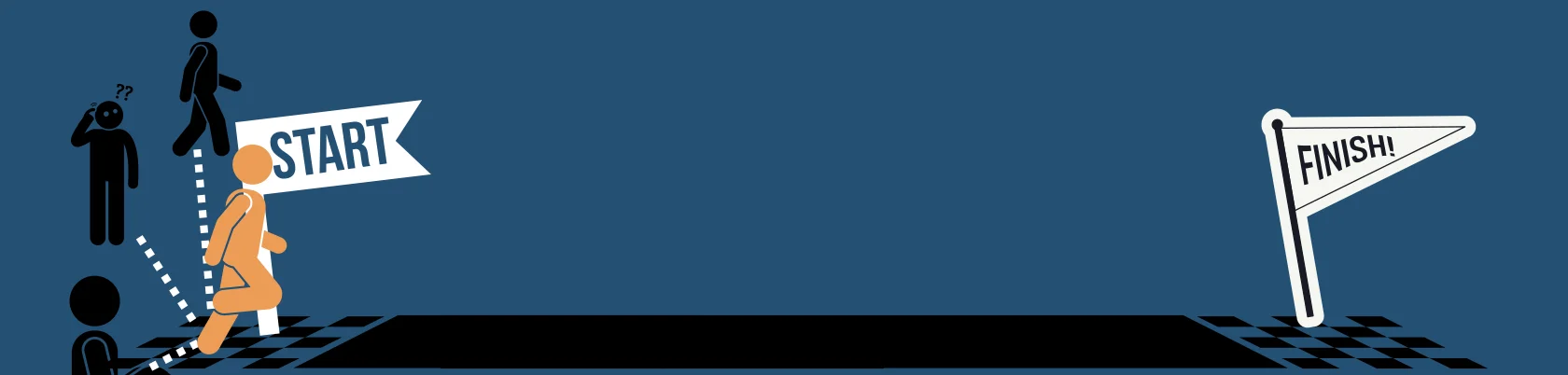
If helping people understand technical complexity is the finish line, our research revealed that people were not even willing to stand at the starting line. We needed to focus on getting everyone to the start before we could run the race together.
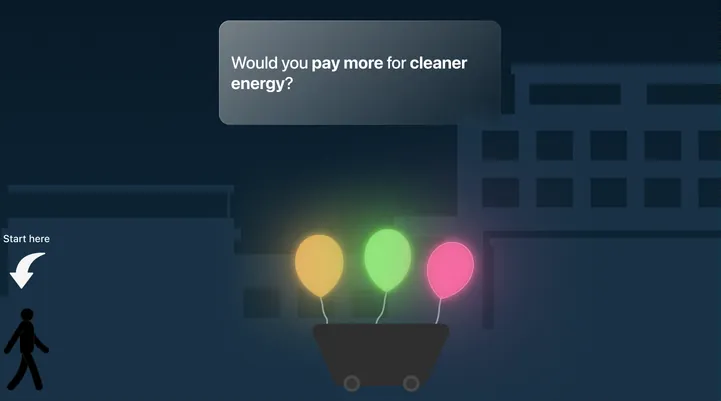
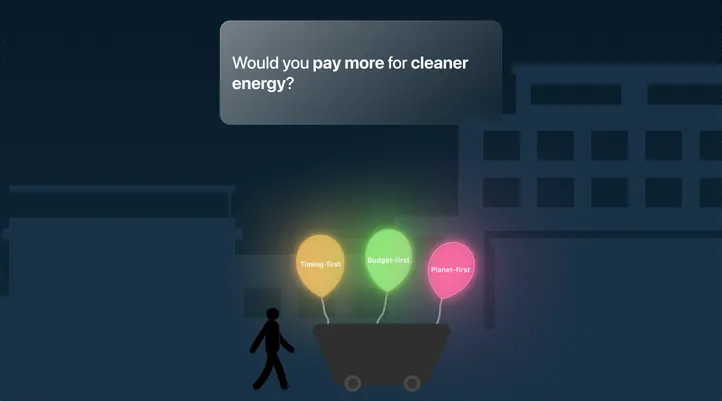
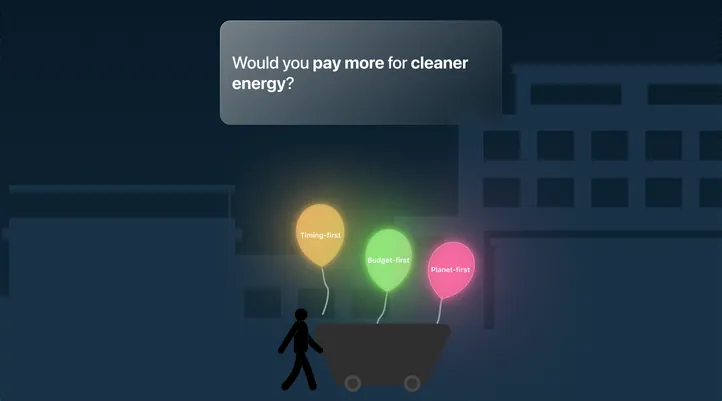
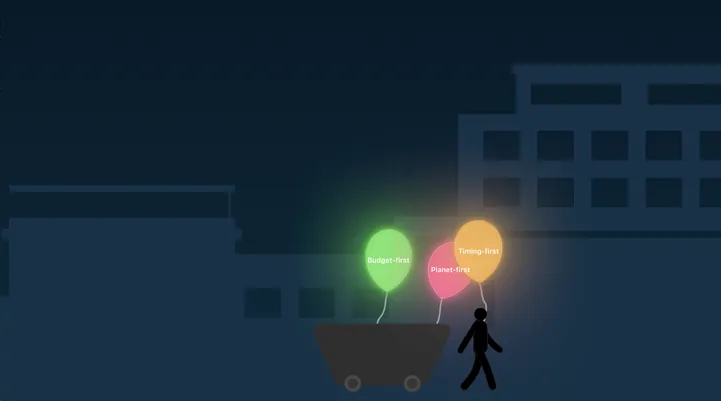
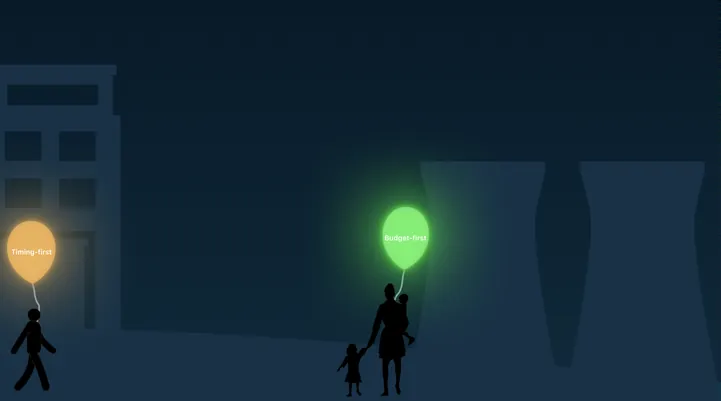
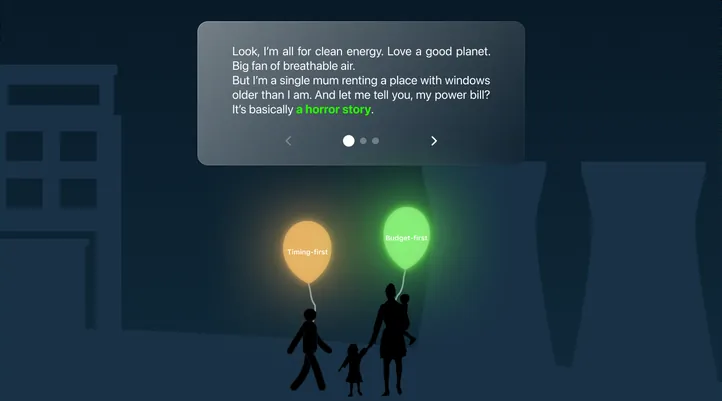
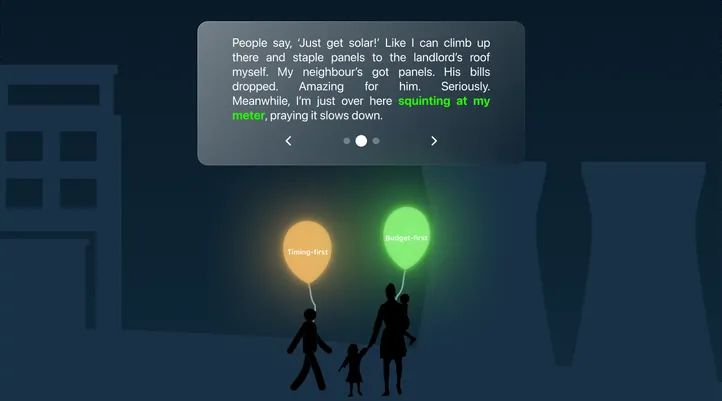
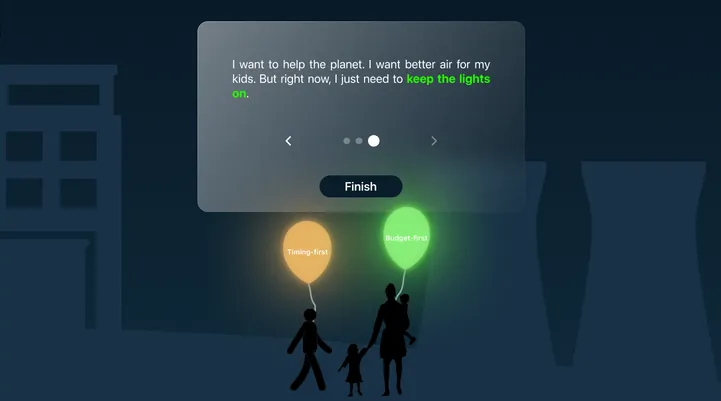
Final iteration · Interactive value-based narrative (improved version) Spoiler! Open it, or play the prototype first ↗
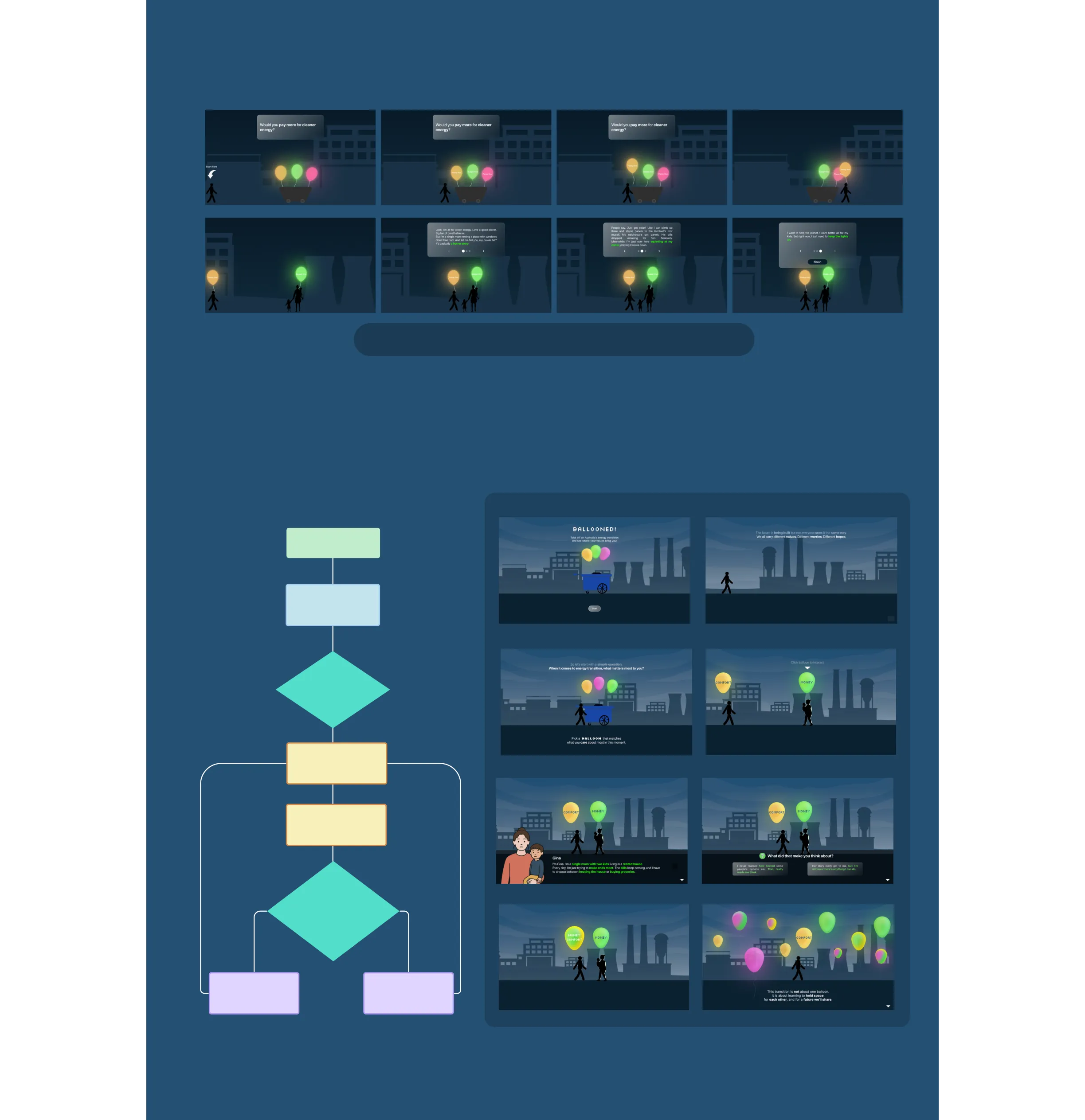
The final version involved complex prototyping with numerous screens to accommodate its interactive, choice-driven structure. We designed multiple decision points and reflection moments that personalise the user’s journey based on their selections and responses.
- START
- Introduction narrative
- Prompt to pick a balloon
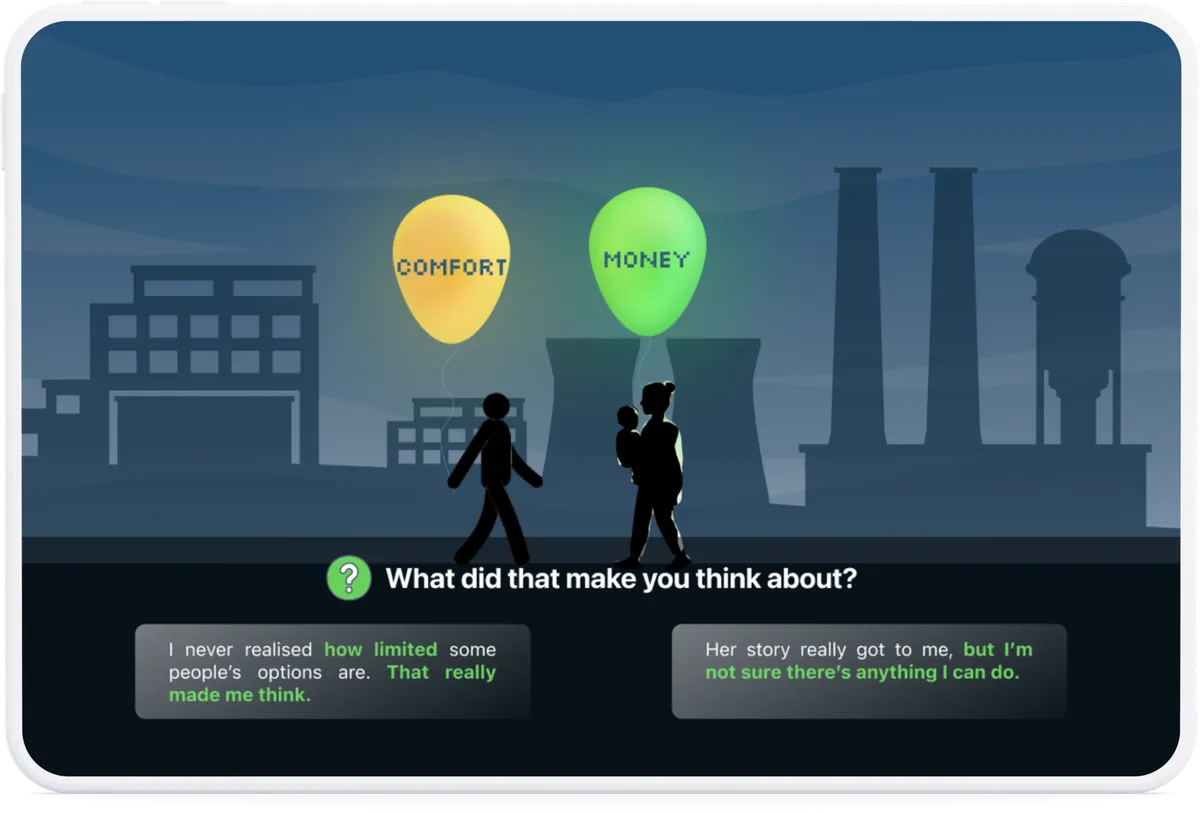
- Meet character holding a different balloon
- Listen to their voice and story
- Choose your stance: does the story resonate with you?
- Balloon stays the sameBalloon evolves
-
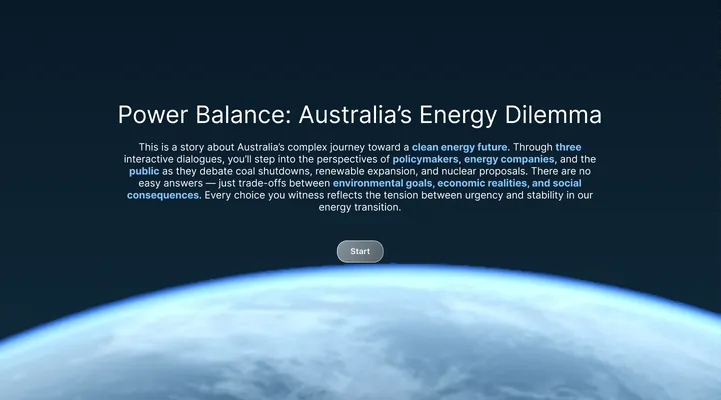
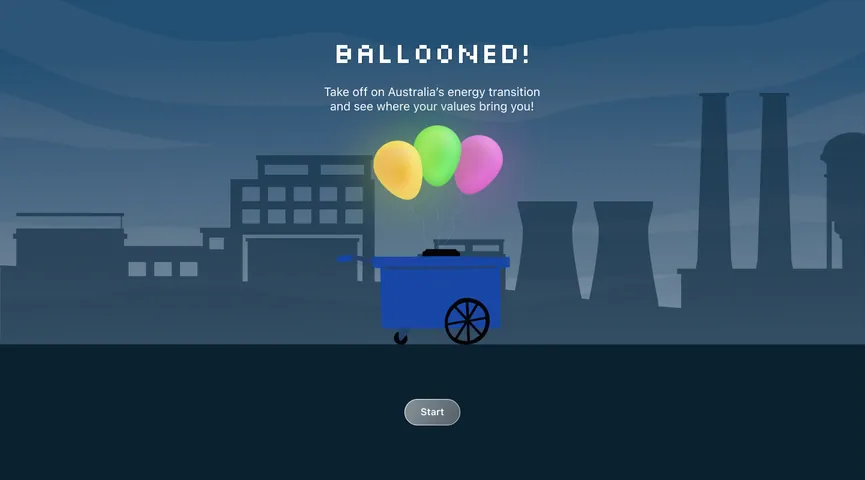 Start page
 -
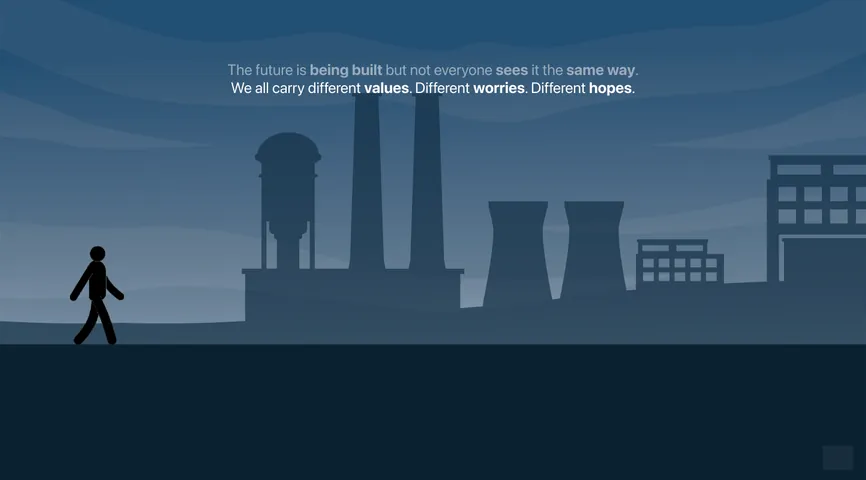 Introduction
 -
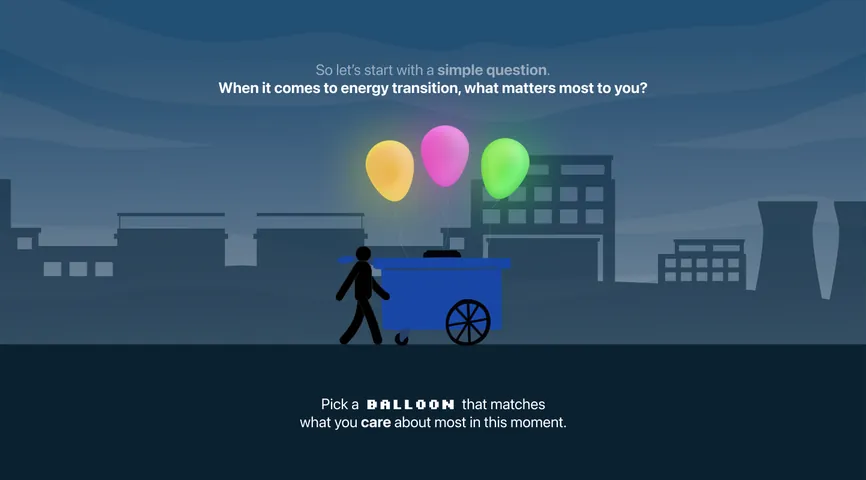 Introduction: pick a balloon
 -
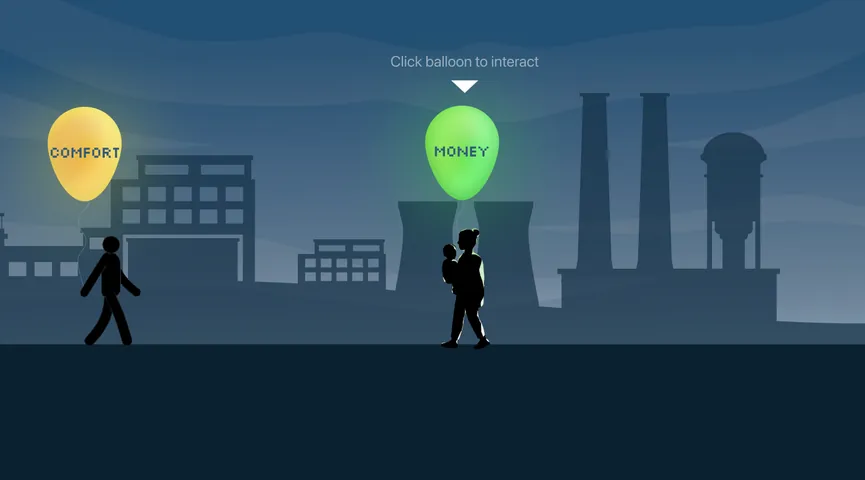 Meet character
 -
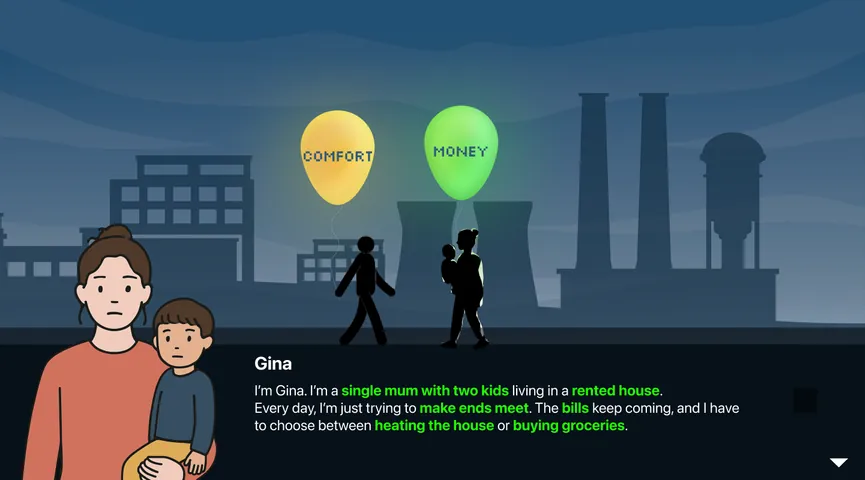 Listen to their voice
 -
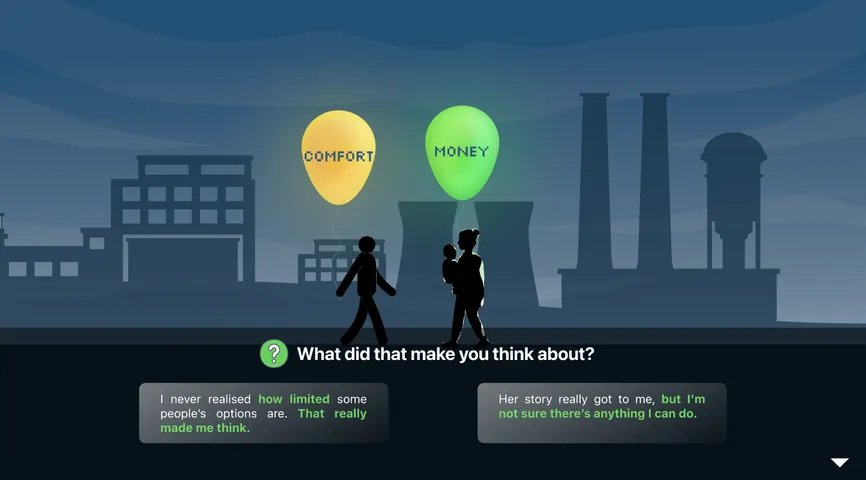 Reflect & choose your stance
 -
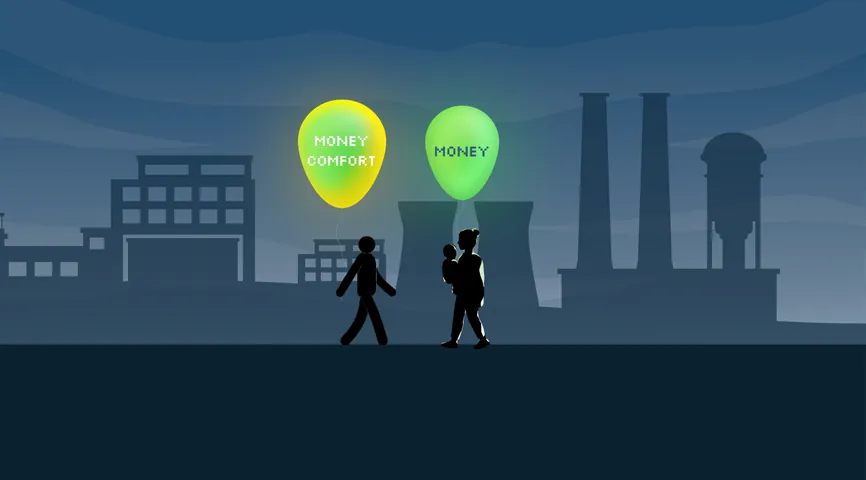 Observe how the balloon evolves
 -
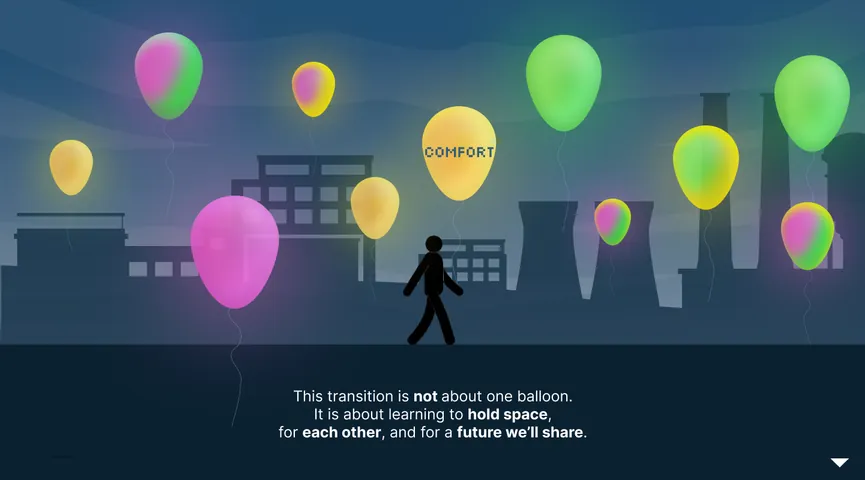 Ending scene
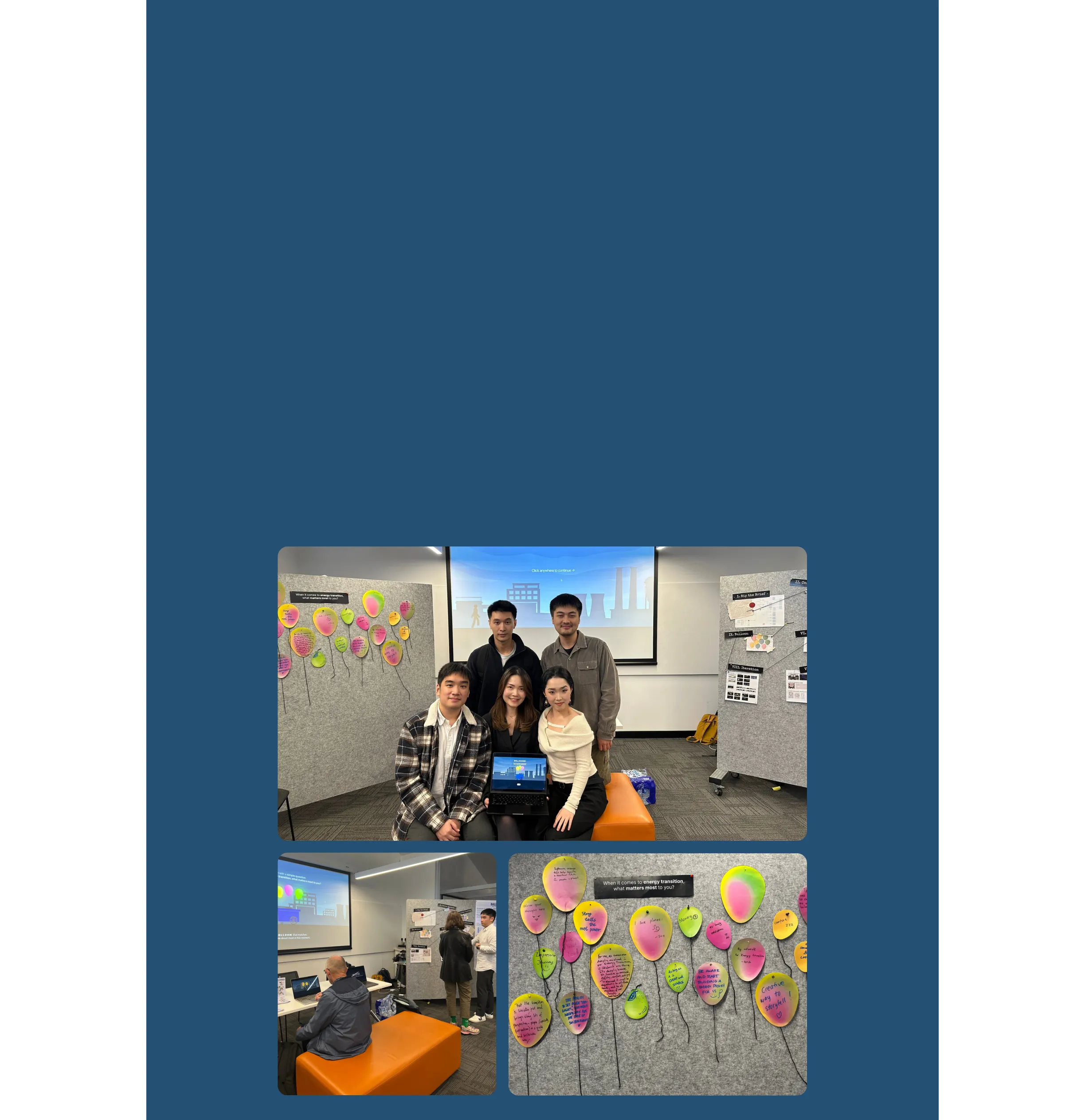
We made substantial improvements to voice authenticity by replacing scenario-based dialogue with stories reflecting real stakeholder concerns. The addition of audio proved to be a game-changer, allowing players to hear genuine emotions (frustration, doubt and hope) conveyed through authentic voices.
Final Outcome
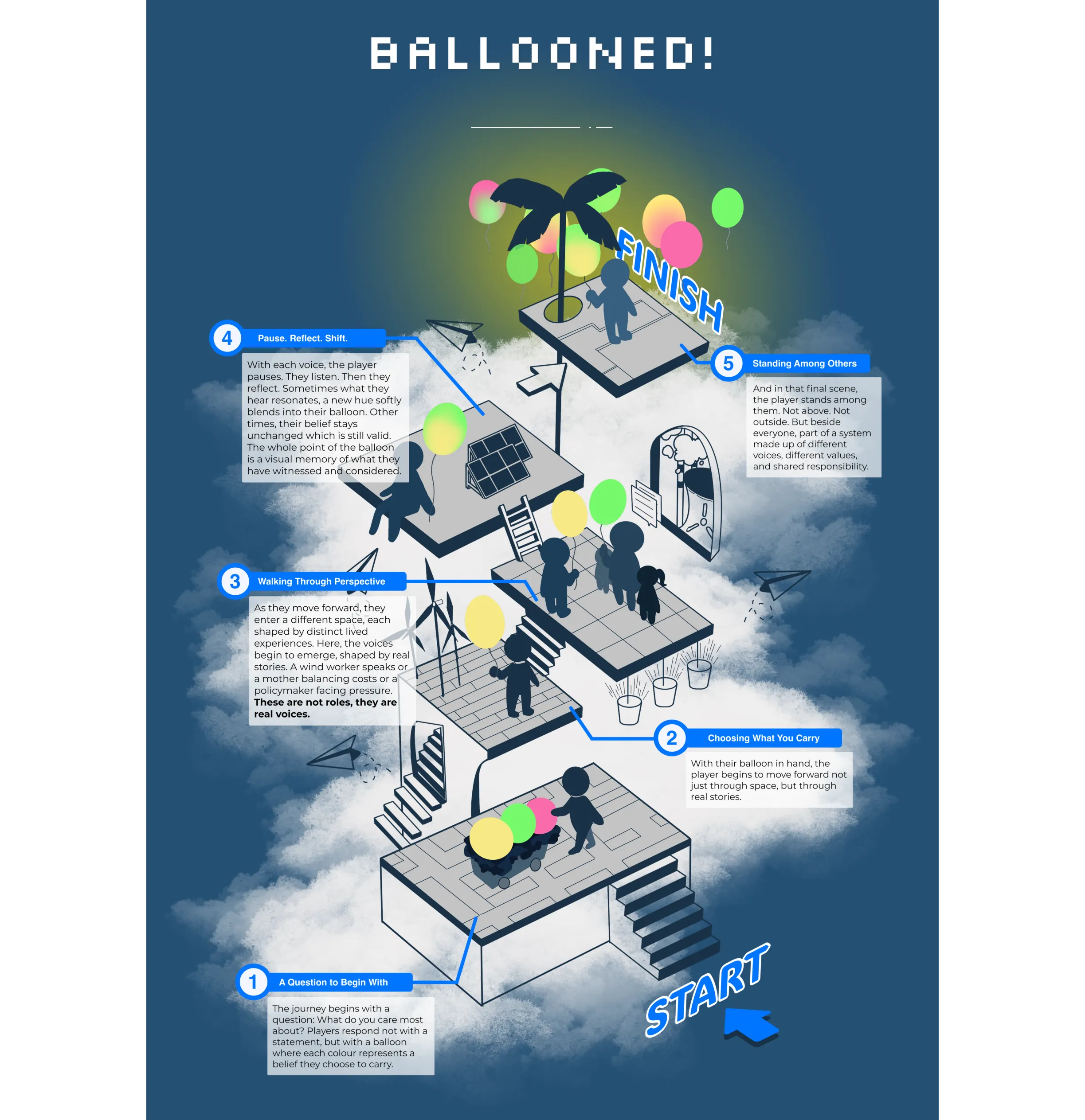
Ballooned! is an emotional, value-driven stroll through Australia’s energy transition. Using balloons as metaphors for values that are light yet heavy with meaning, the experience makes abstract beliefs tangible through colour and form.
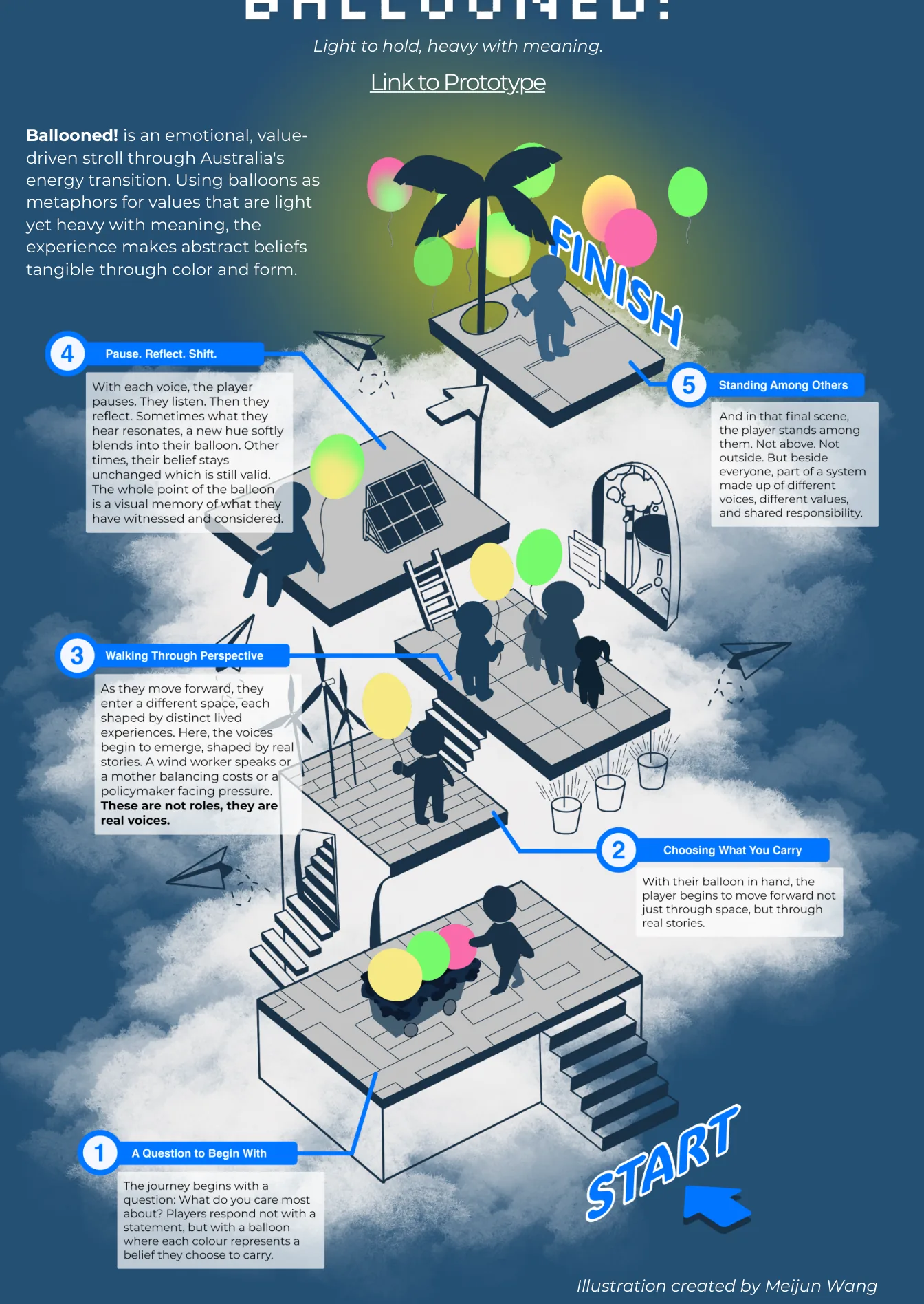
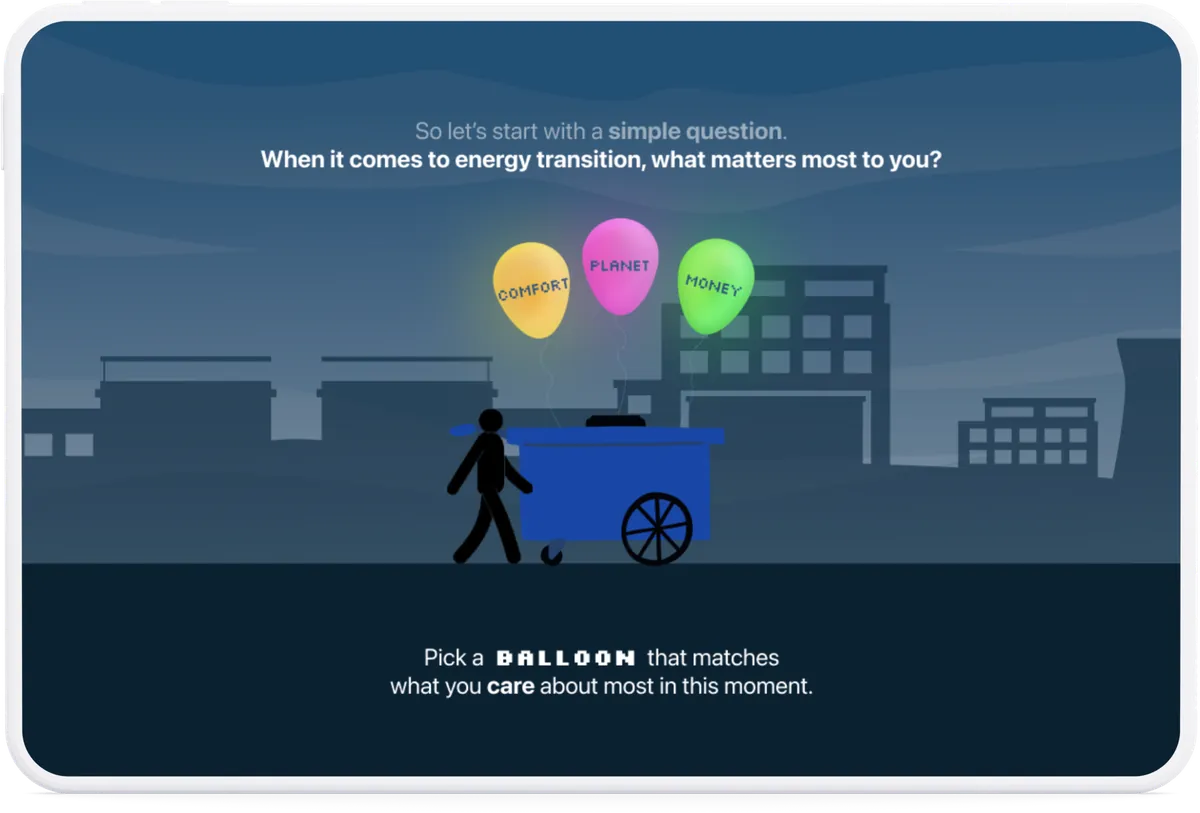
A question to begin with
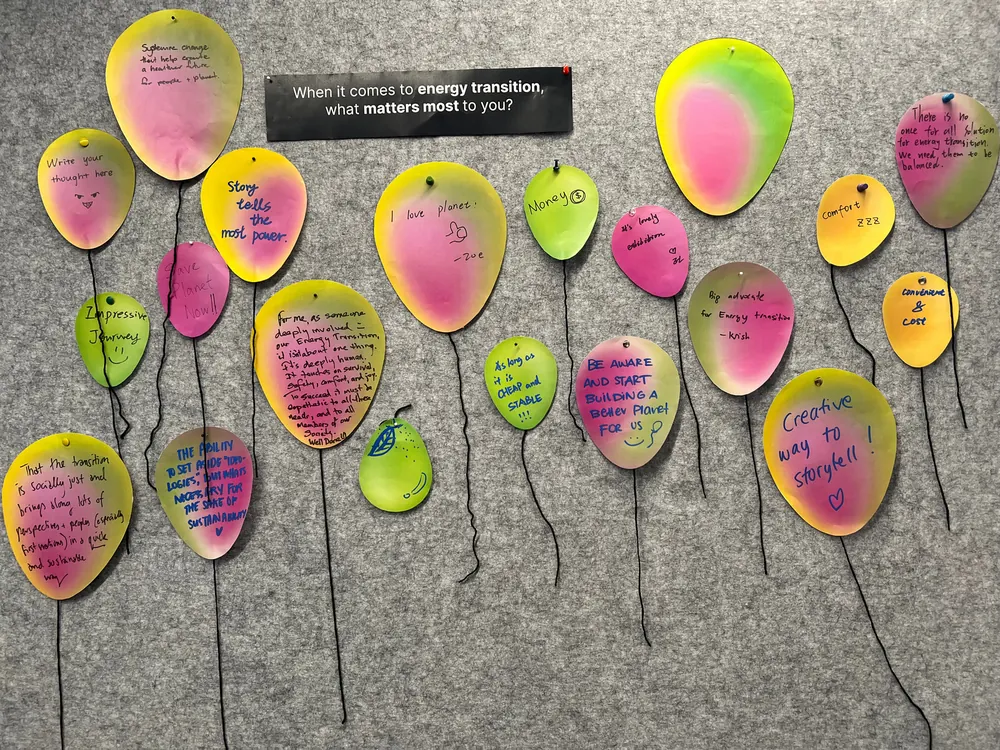
The journey begins with a question: what do you care most about? Players respond not with a statement, but with a balloon where each colour represents a belief they choose to carry.
Choosing what you carry
With their balloon in hand, the player begins to move forward not just through space, but through real stories.
Walking through perspective
As they move forward, they enter a different space, each shaped by distinct lived experiences. Here, the voices begin to emerge, shaped by real stories. A wind worker speaks or a mother balancing costs or a policymaker facing pressure. These are not roles, they are real voices.
Pause. Reflect. Shift.
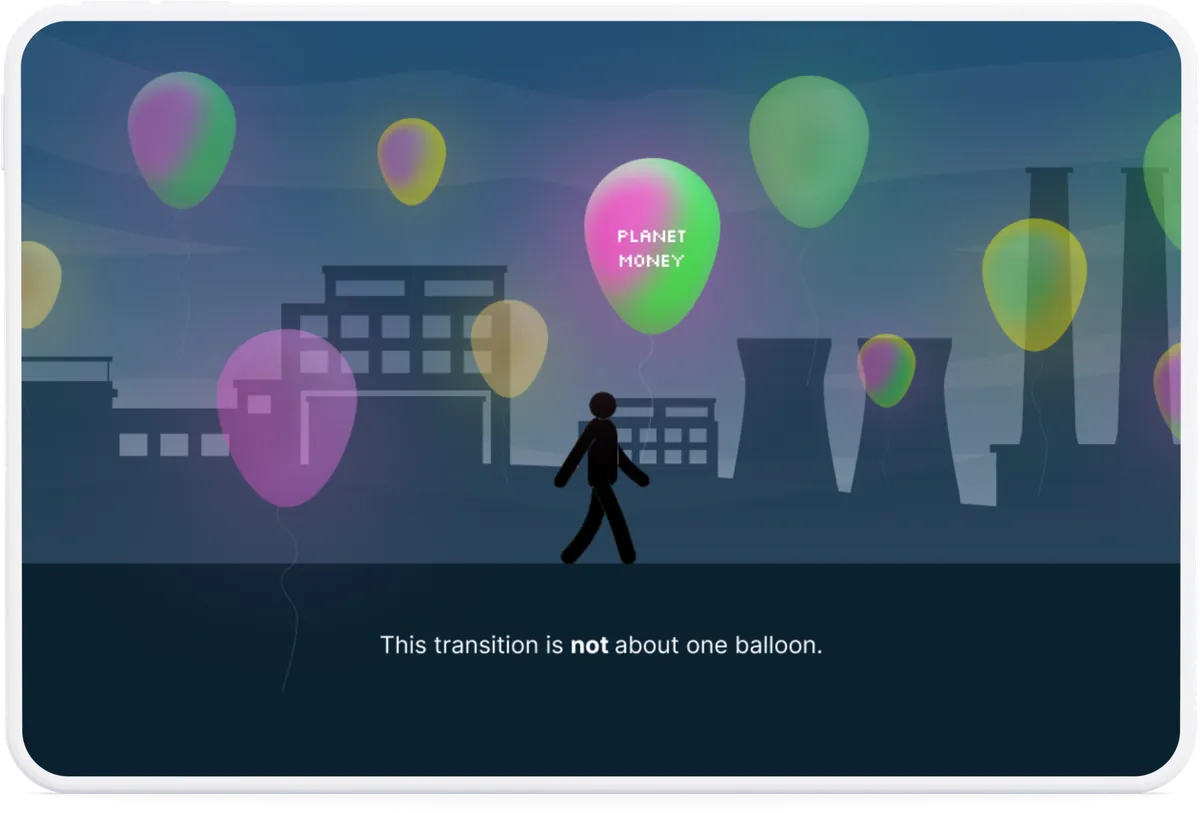
With each voice, the player pauses. They listen. Then they reflect. Sometimes what they hear resonates, a new hue softly blends into their balloon. Other times, their belief stays unchanged which is still valid. The whole point of the balloon is a visual memory of what they have witnessed and considered.
Standing among others
And in that final scene, the player stands among them. Not above. Not outside. But beside everyone, part of a system made up of different voices, different values, and shared responsibility.
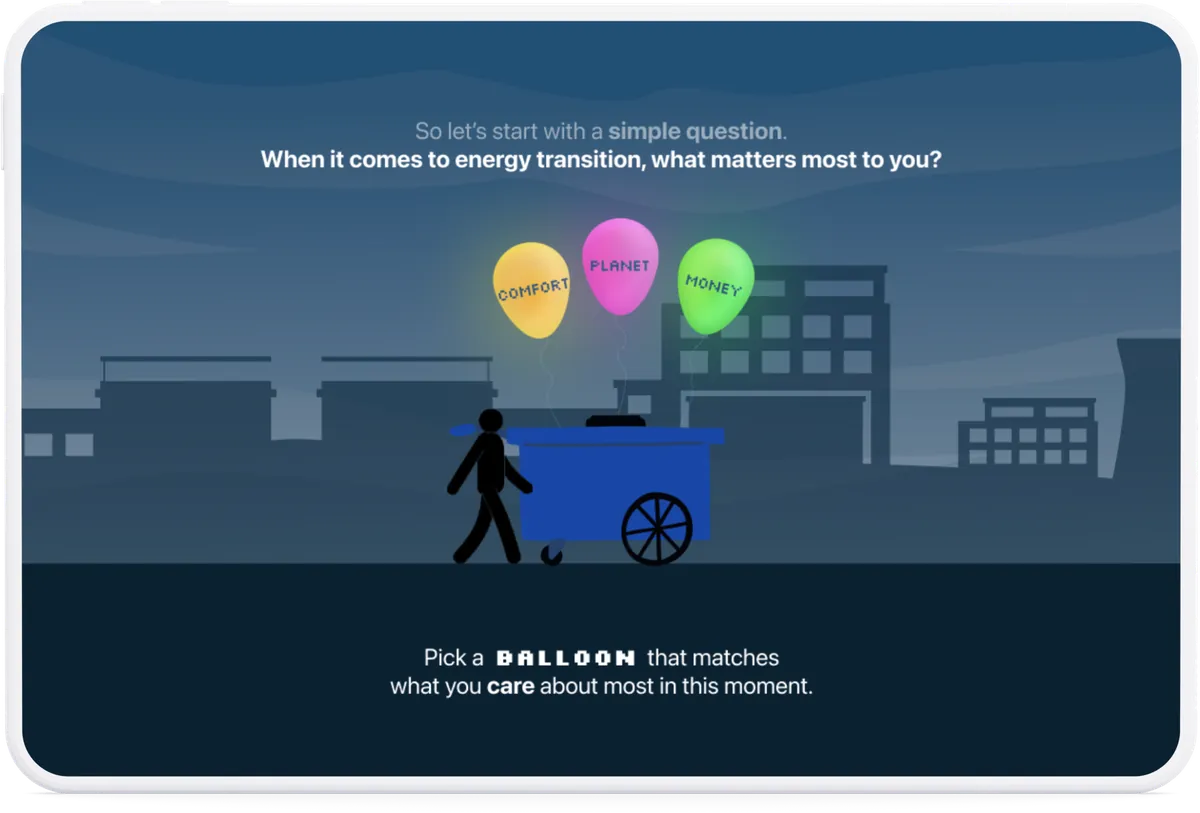
Starting with what matters most to you…
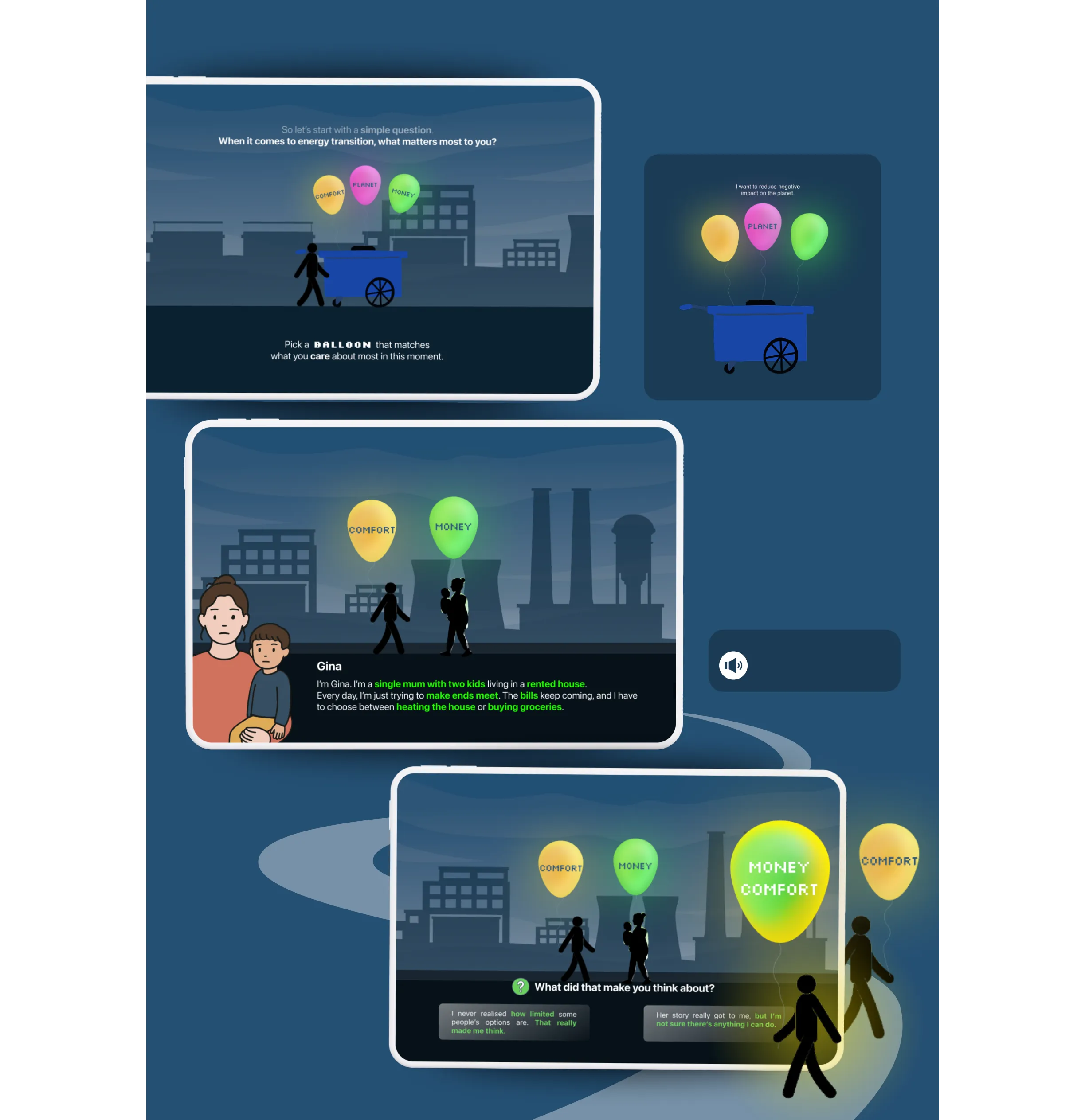
Users choose their balloon based on core values, with hover states revealing the personal motivations behind each option.
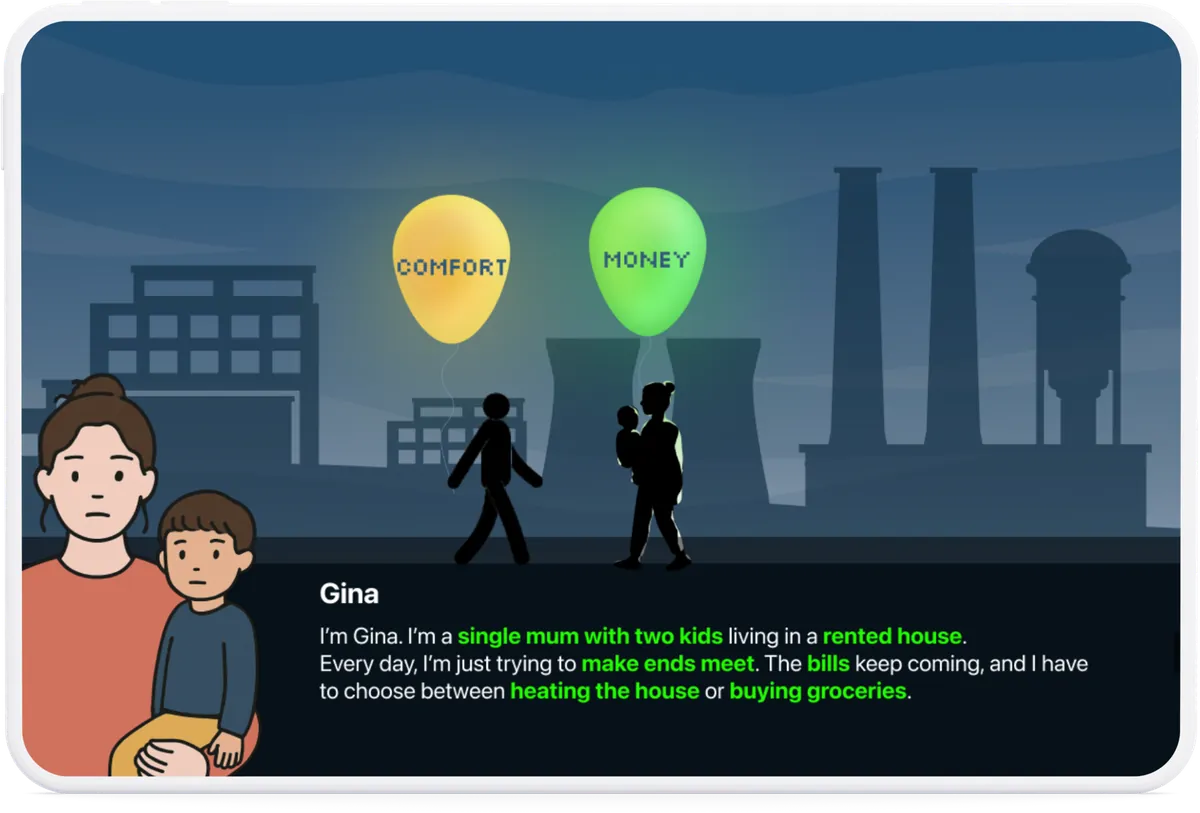
Encounter authentic voices and stories along the journey…
Real concerns. Real emotions. Authentic voices.
Audio voices create space for genuine listening
Learning & Takeaways
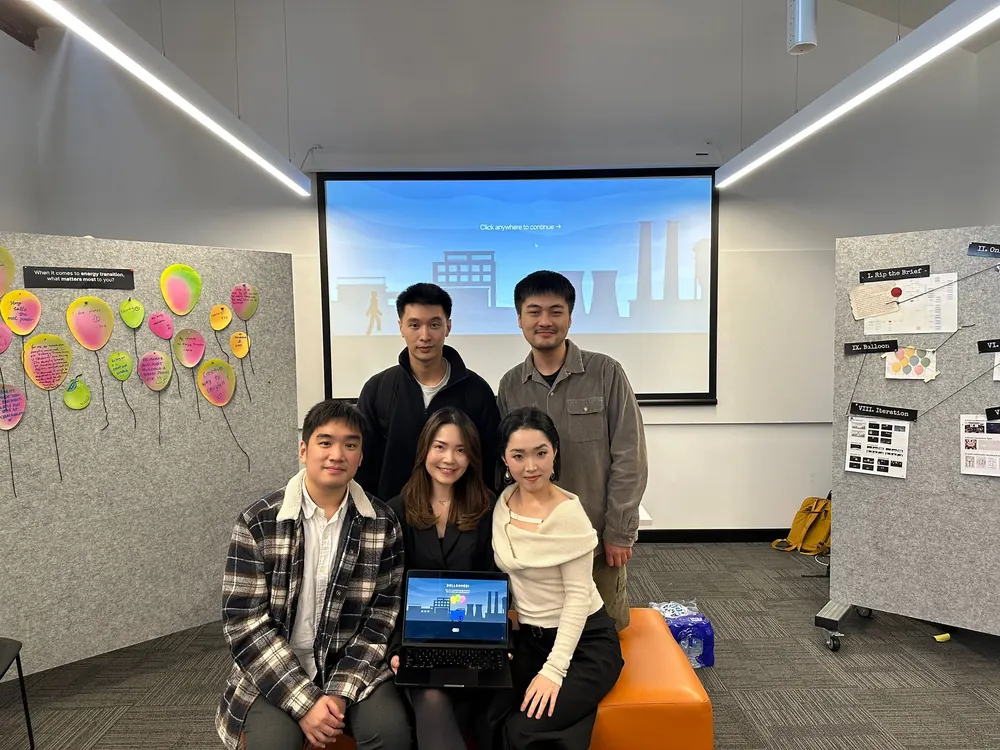
Working with a real client in a complex domain proved both challenging and rewarding. Unlike previous projects with pre-determined problem spaces clearly outlined on paper, this brief encouraged blue-sky thinking and creative freedom from any predetermined format.
The problem space continuously evolved as we gained clarity from our client about the real barriers facing their audience.
Embracing extreme reframing
While I had experience with reframing in previous projects, this required the most fundamental pivot I had encountered. Our solution became dramatically different from the original brief because we chose not to tackle the technical complexity initially expected. Though we acknowledge this limitation, we remained true to our research insights.
The sequential approach
Previous iterations taught us that addressing both value tensions and technical complexity simultaneously didn’t work. We learned that explaining technical complexity, whether through interactive dashboards or other representations, is crucial, but only after addressing the underlying value tensions and helping people understand other stakeholders’ perspectives and circumstances.
Client validation
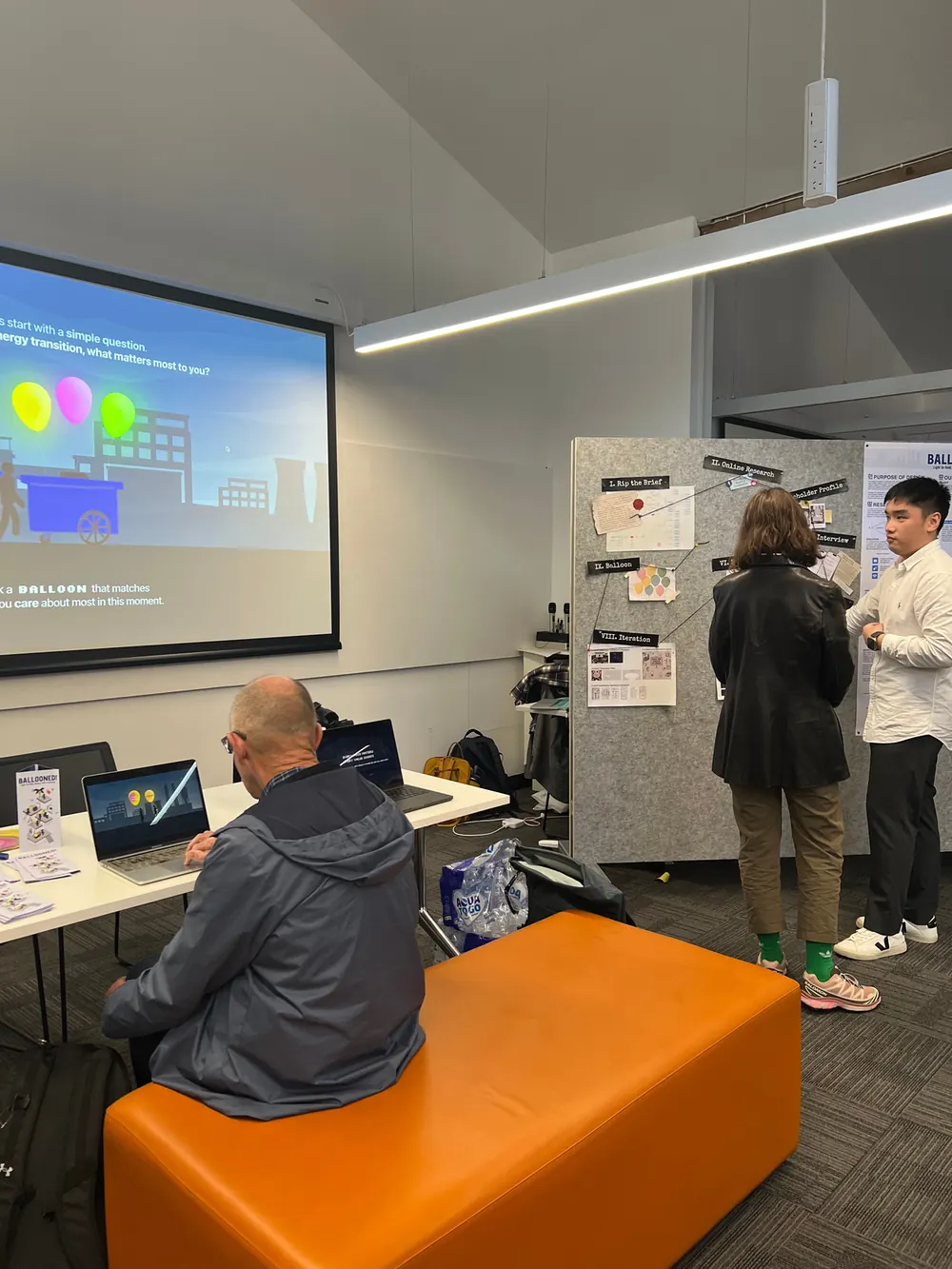
Despite departing from the original brief, our client responded positively when we consulted them throughout development. They confirmed the solution’s potential for onboarding training, supporting our direction of prioritising foundational engagement over immediate technical education.
Reference List
- Frazer-Nash Consultancy. (2025). Frazer-Nash Consultancy Brief. Presentation by Marc Lyell and Lauren McNaught. March 4, 2025.